Votre navigateur n'est actuellement pas configuré pour accepter les cookies. Veuillez les activer ou vérifier si un autre programme est configuré pour bloquer les cookies.
An exploration of the natural wonders of the Indonesian glaciers
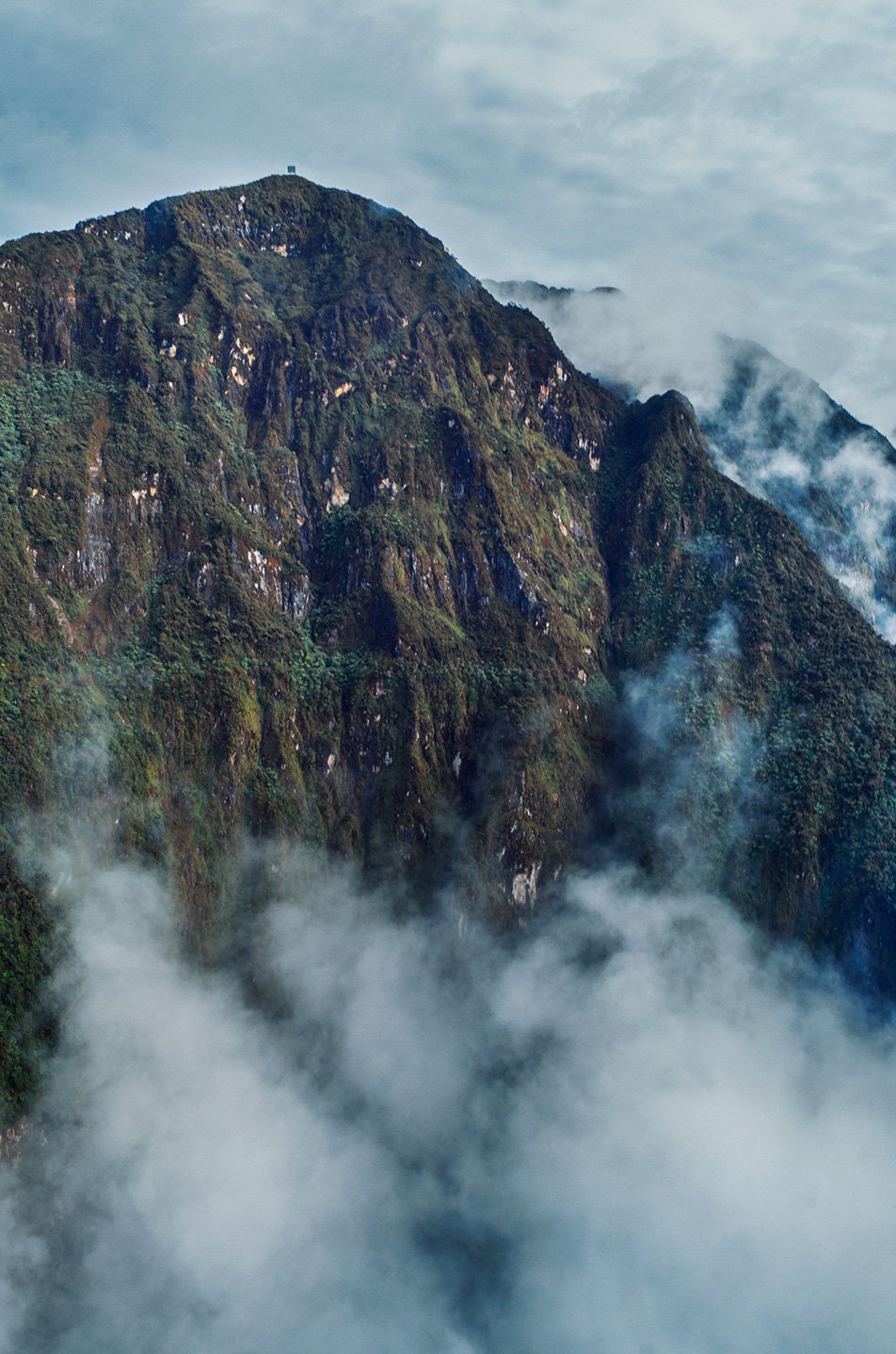
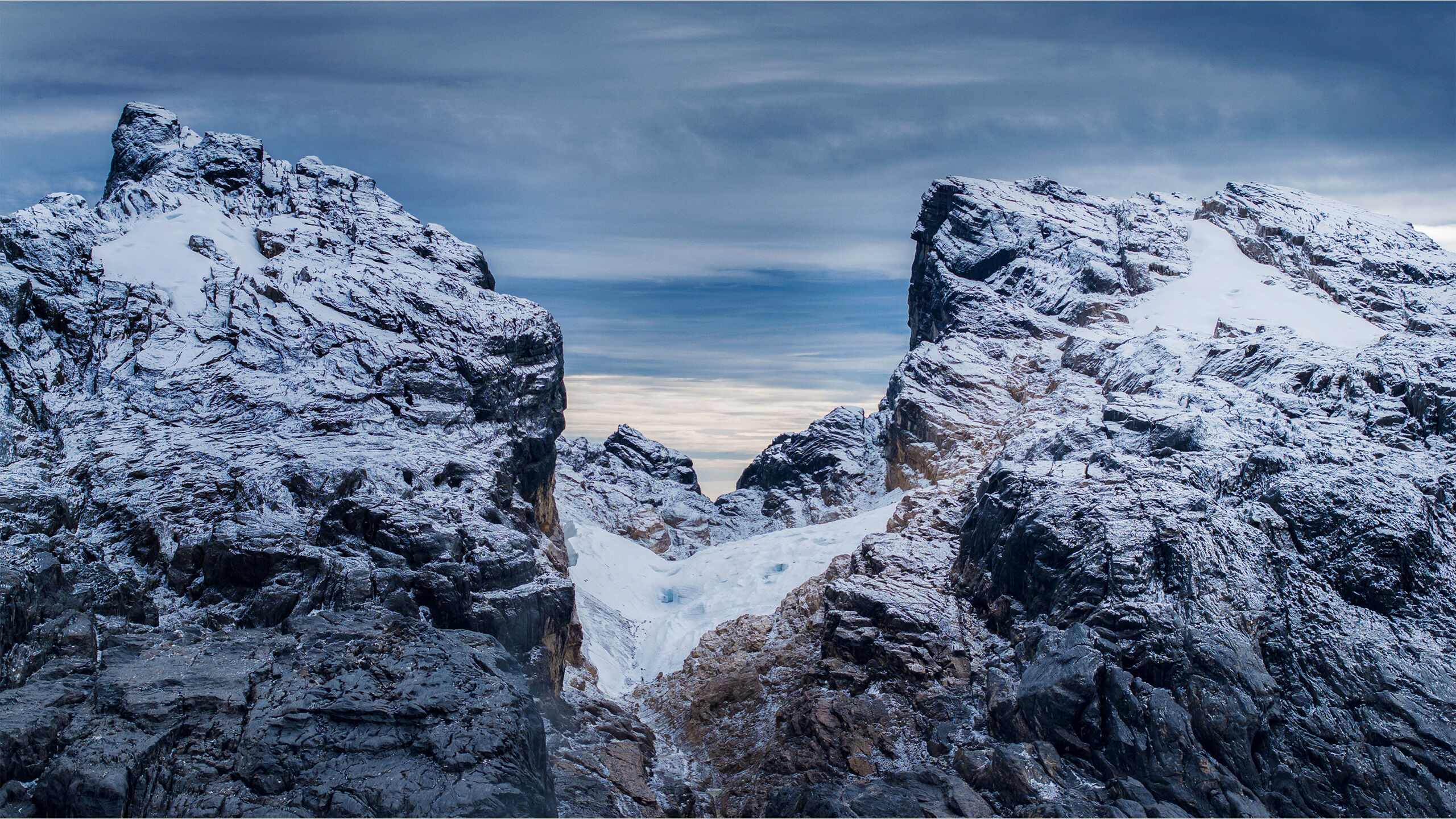
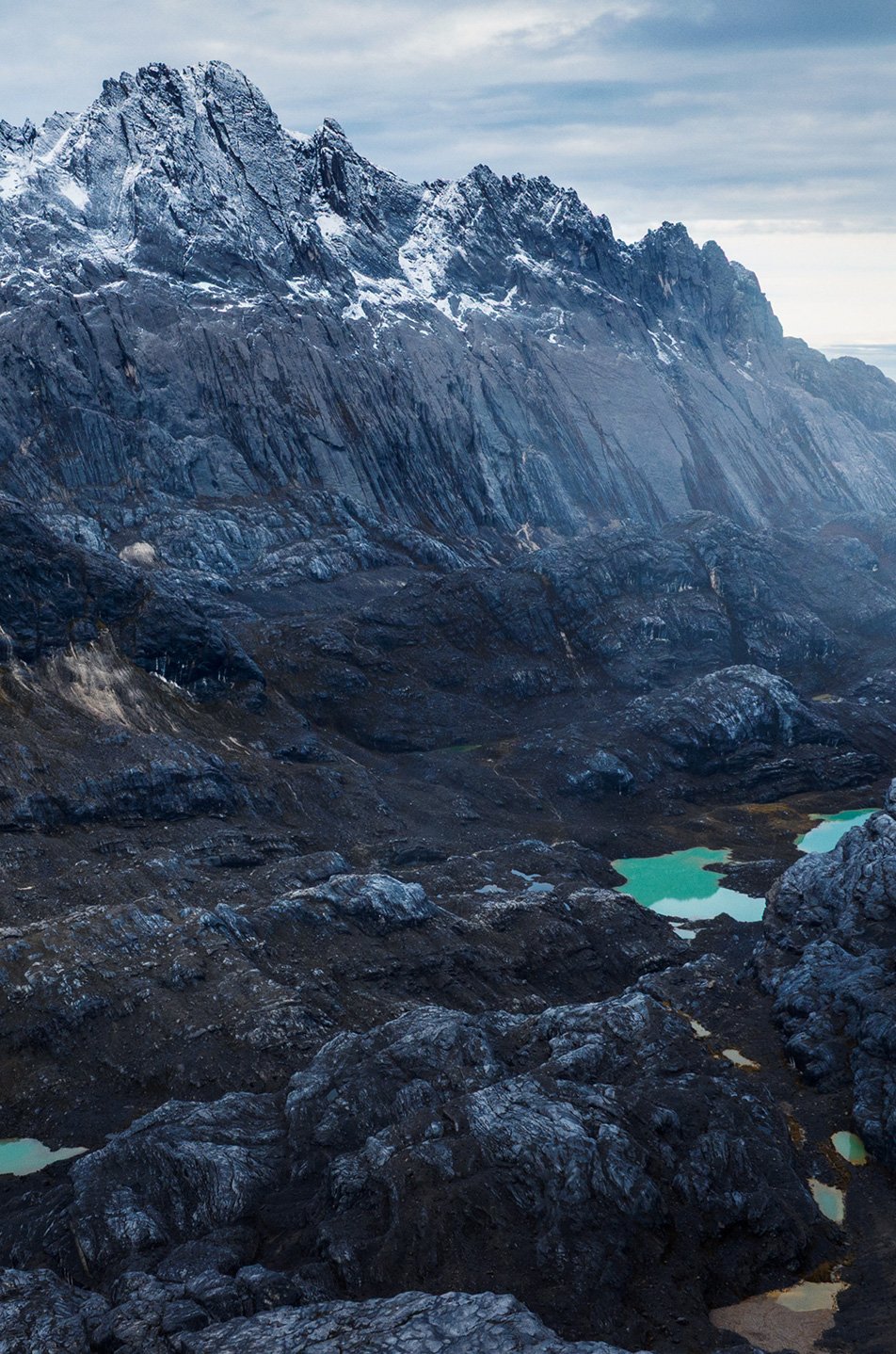
Salju Abadi. It means “eternal snow”, but more often, it’s translated as the “Eternity Glaciers”. The phrase acts as both a historical legend and a future promise that the glaciers, which sit high on the sides of the breathtaking Puncak Jaya mountain in Papua, Indonesia, will always be there for coming generations. Yet increasingly, this prospect is far from certain.
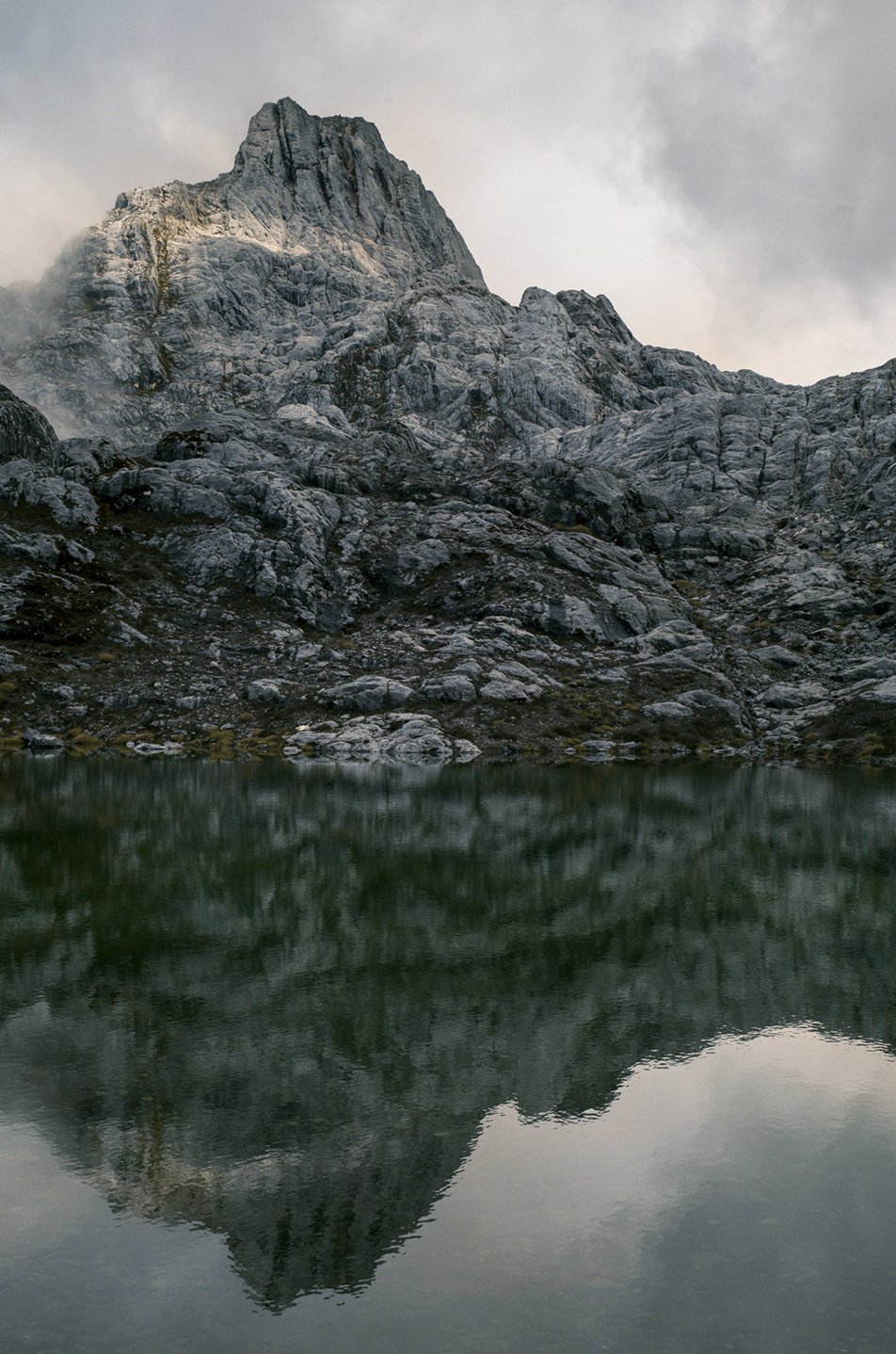
At 4,884 metres above sea level, Puncak Jaya ascends high above the humid, tropical landscape of Papua with persistent rainfall. It’s so tall that its upper reaches see sub-zero temperatures allowing monumental glaciers to form. But now, climate change means this ecosystem, developed over millennia, is under threat.
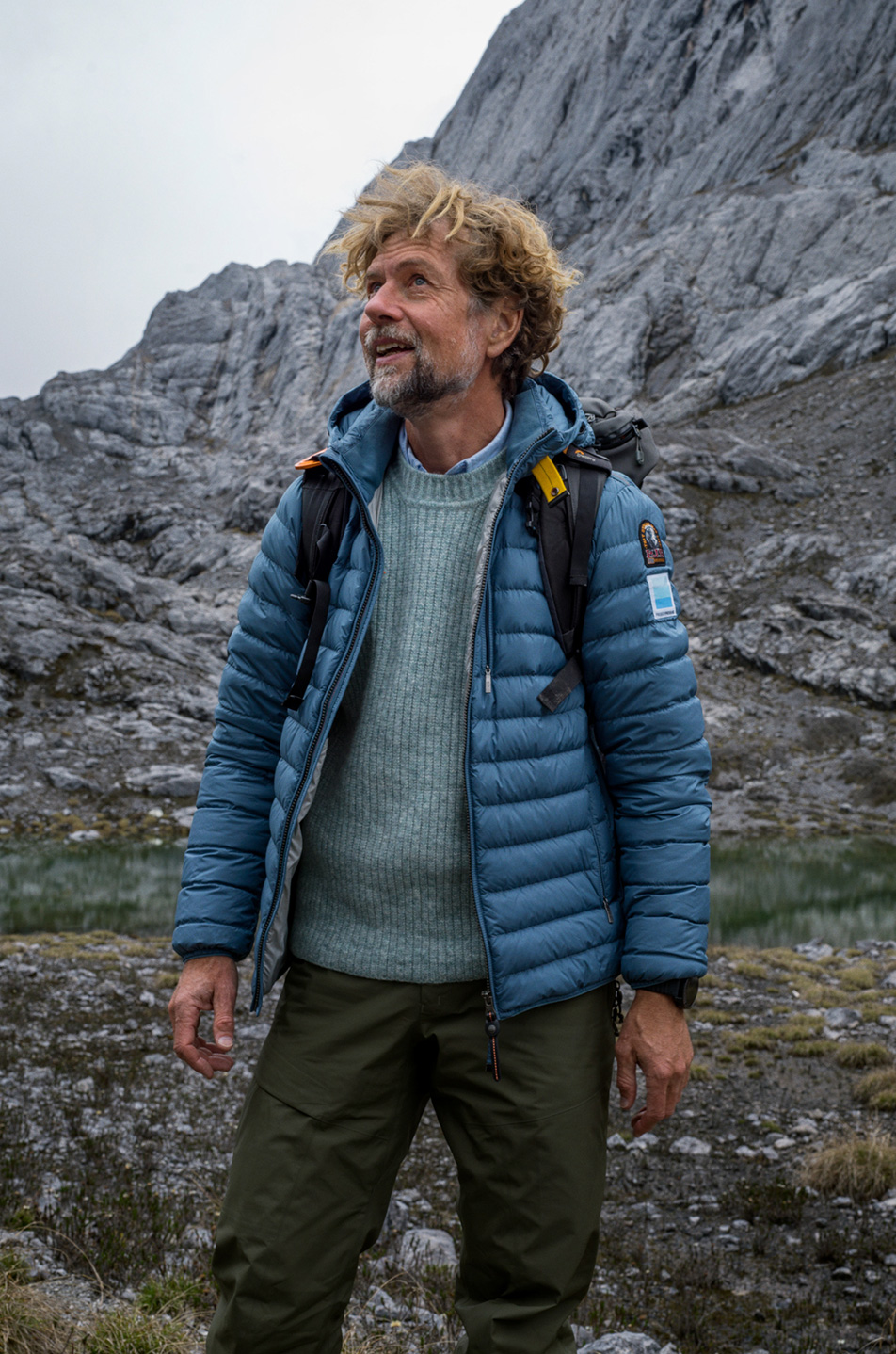
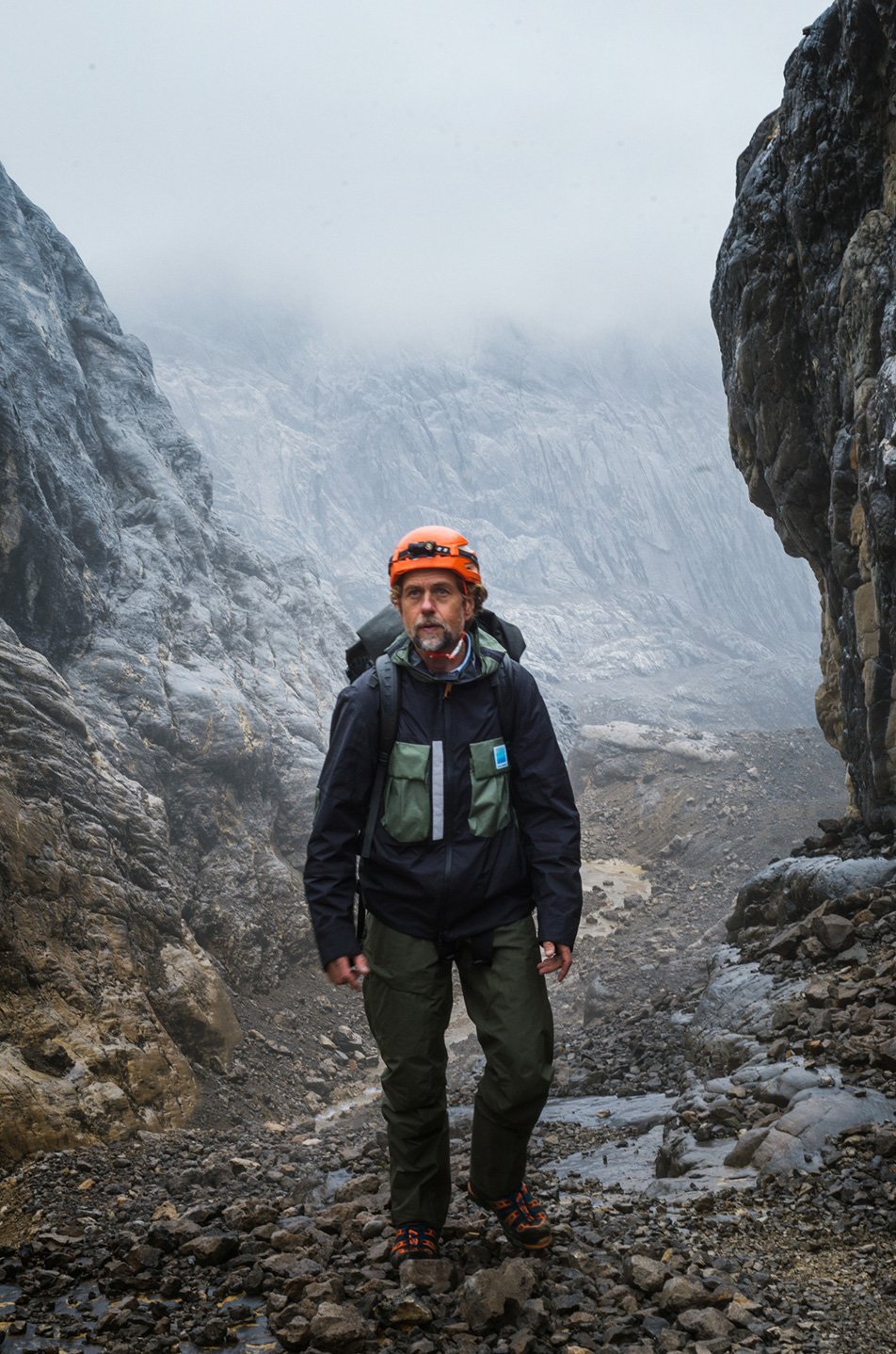
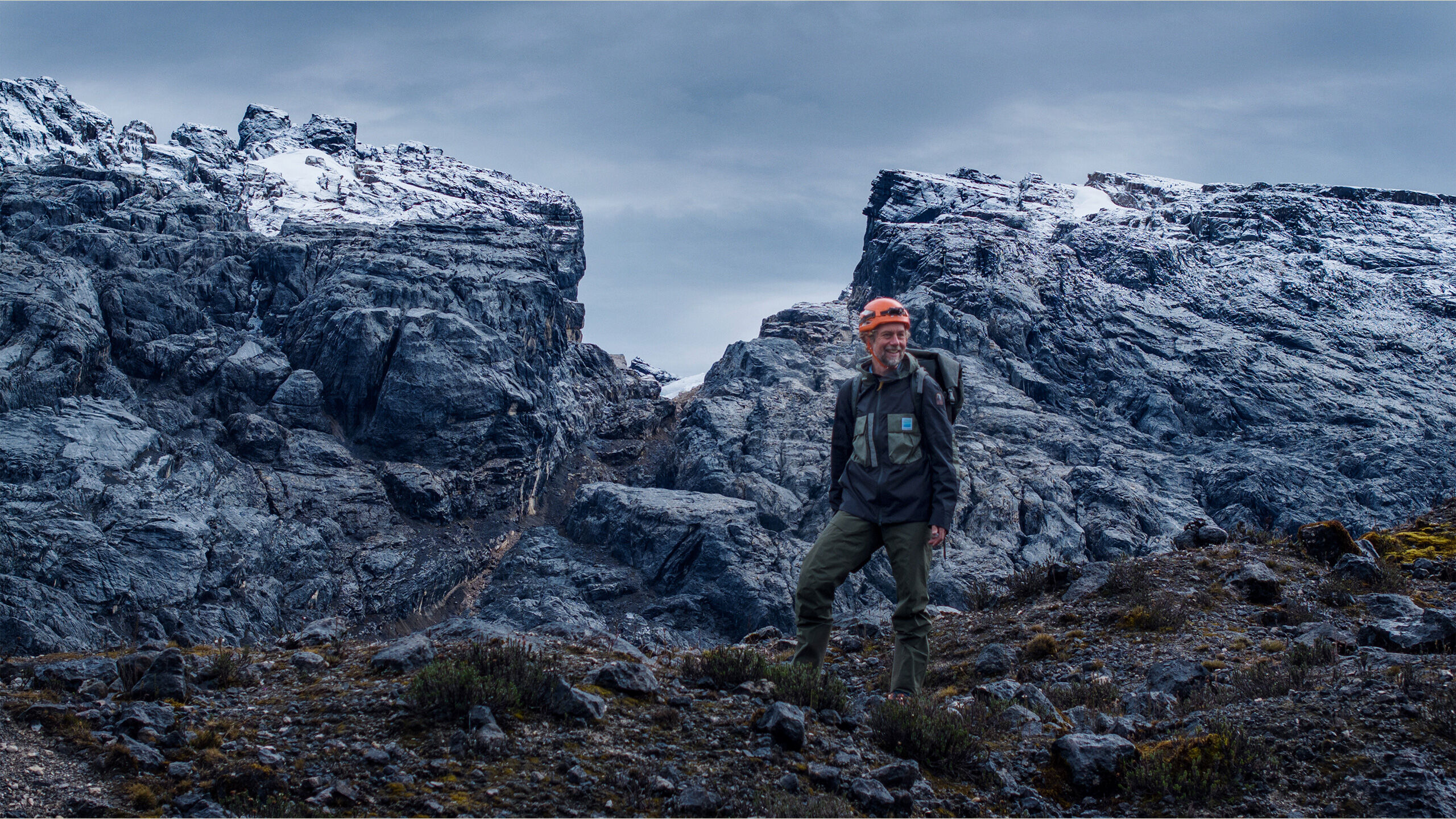
Through its support of Project Pressure, Parajumpers backed explorer and scientist Klaus Thymann and his team in the creation of a cutting-edge 3D model of the glaciers of Puncak Jaya.
Through this work, the world can better understand how these natural wonders are receding, and the impact this could potentially have on people and animals in the region.
As Klaus himself put it: “This is invaluable for comprehending local warming trends and their consequences to help local communities adapt.”
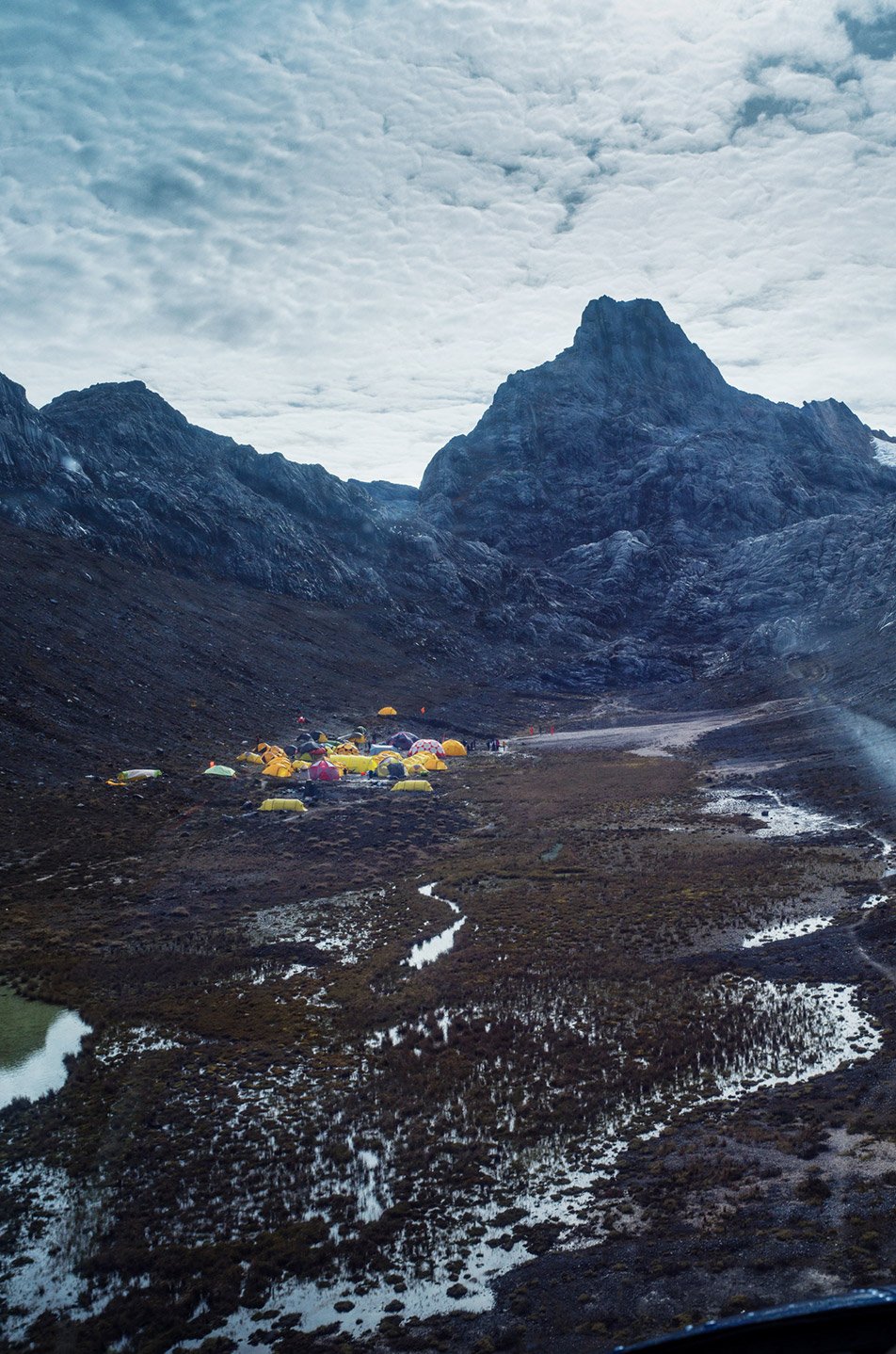
The ascent wasn’t easy. Though it’s now possible to access the mountain after it was closed for several years as a result of political instability, basecamp is still only reachable via helicopter. And to capture high-quality images, Klaus needed clear weather conditions, resulting in a delay while waiting many days for the cloud and rainfall to pass. But despite these challenges, the team persisted.
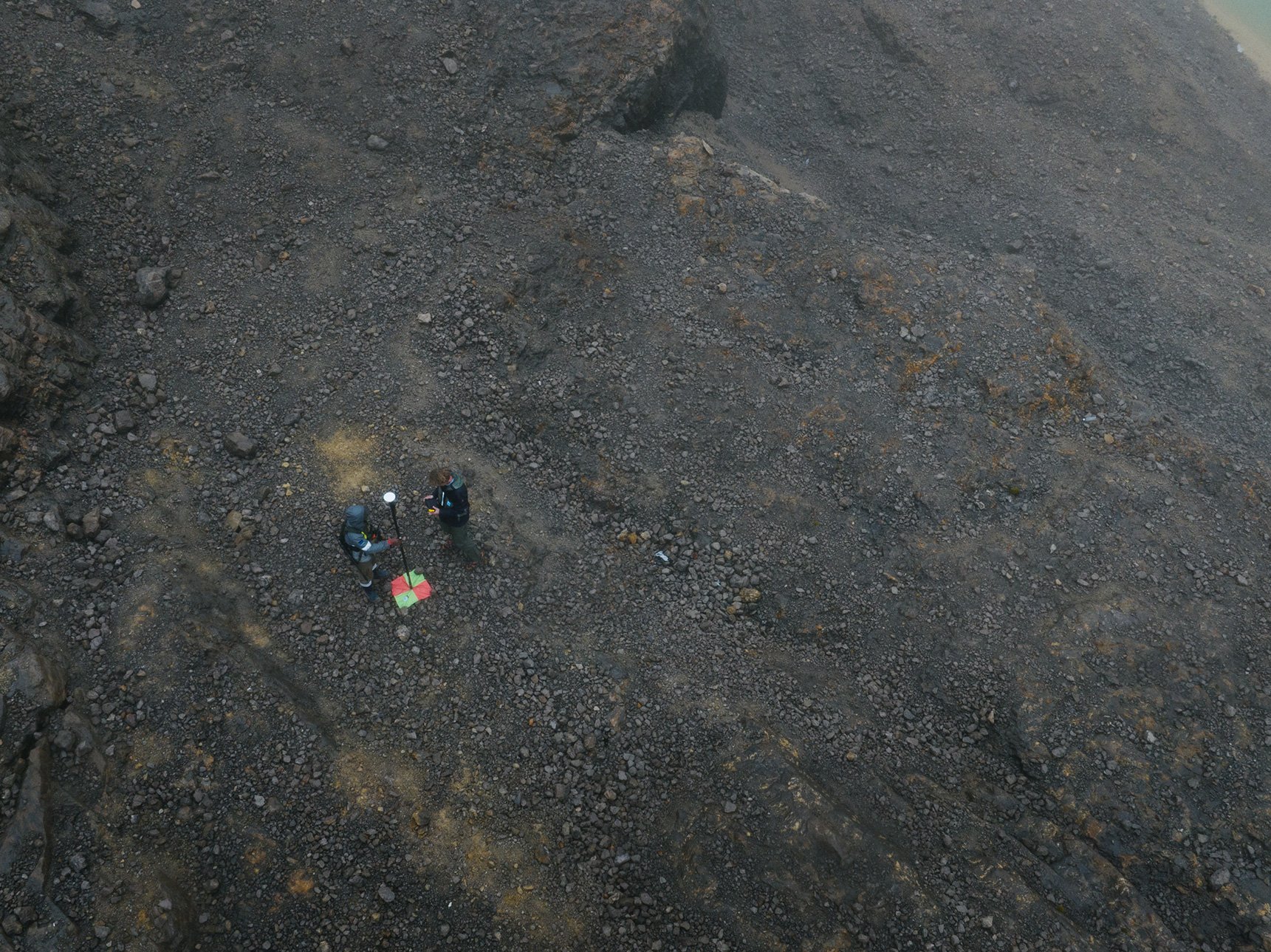
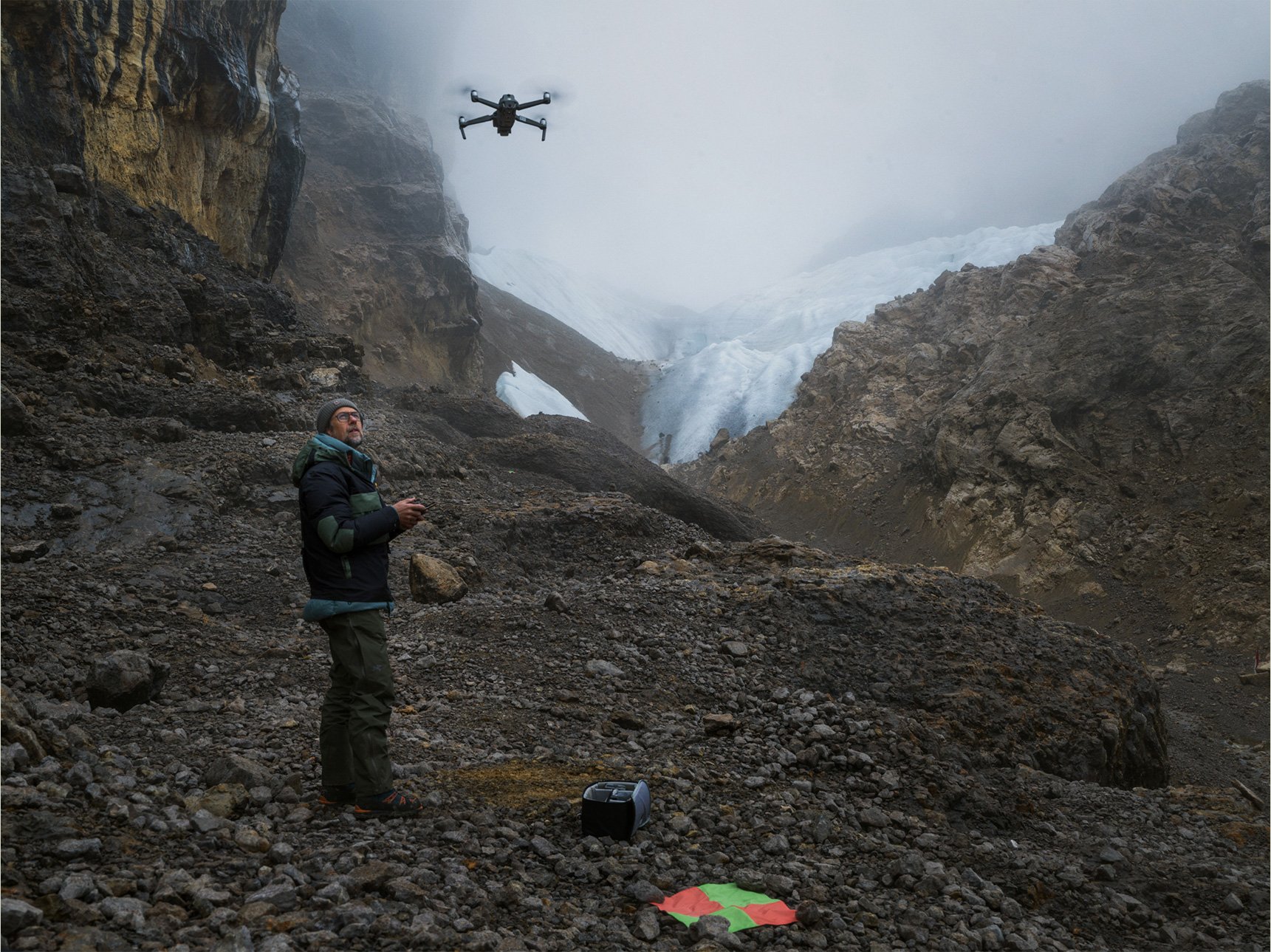
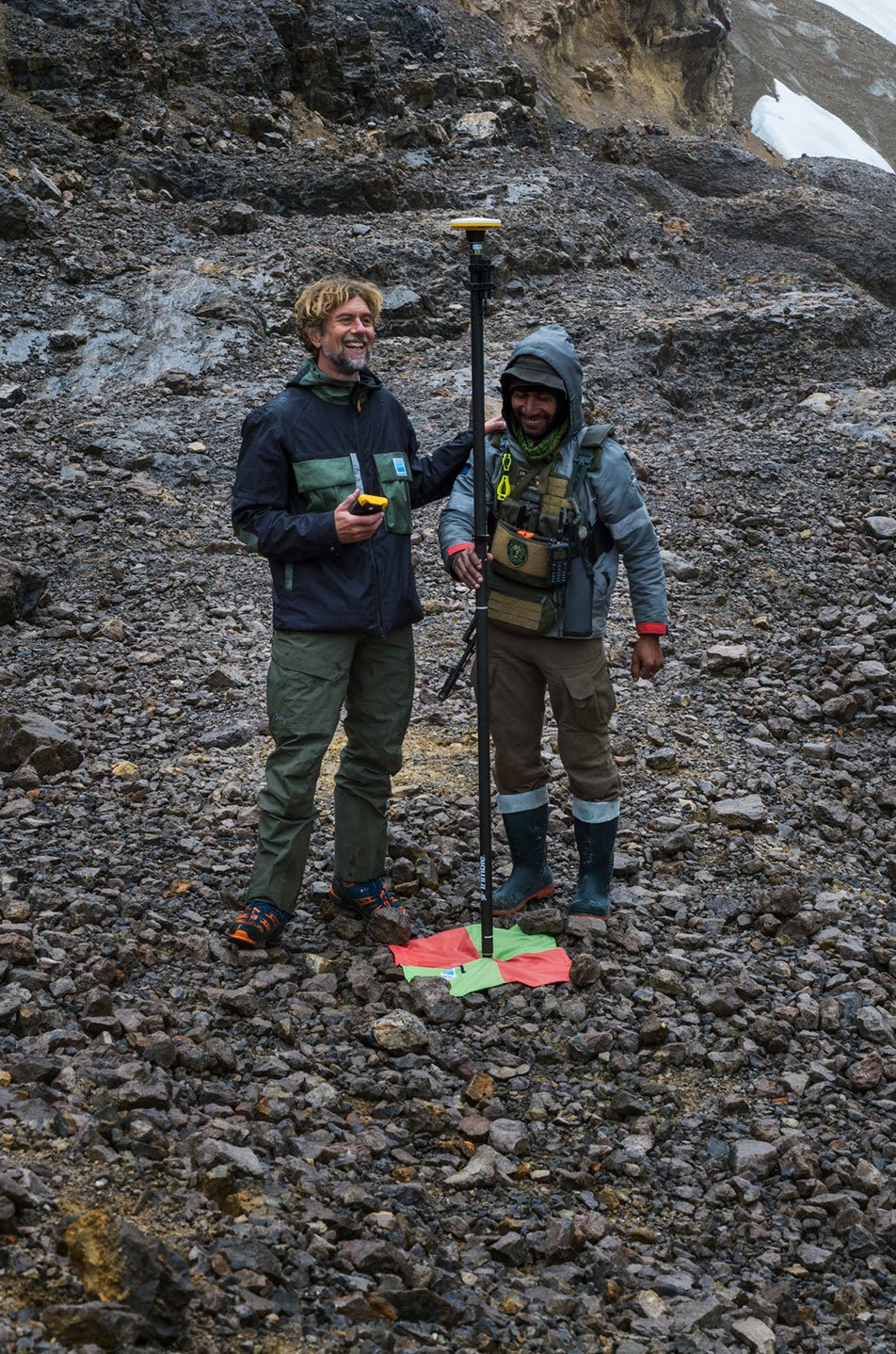
What they achieved was a pioneering mapping of the glaciers and the peak, carried out using a mix of state-of-the-art high-resolution drone and geo-location equipment, recording precious data for the coming generations.
The mission marked the third expedition in Project Pressure’s remarkable Melting Tropics series, following the mapping of at-risk glaciers in Bolivia and Uganda. Klaus and his team went to the ends of the earth to achieve these intricate 3D models, battling freezing weather conditions and perilous climbs.
It’s through their dedicated work that other scientists can track the movement of the ice, better understanding the disappearance of the glaciers so much of the world is reliant on.
{{standardPrice}}
{{salesPrice}}
({{discountPercent}}%
)
Souhaitez-vous vraiment vous désabonner de notre newsletter et ne plus recevoir les dernières informations de Parajumpers à l’avenir ?