Votre navigateur n'est actuellement pas configuré pour accepter les cookies. Veuillez les activer ou vérifier si un autre programme est configuré pour bloquer les cookies.
Sauvegardez vos données de carte de crédit pour un shopping plus rapide
Gérez votre historique de commandes
Accédez à votre Wishlist
menu
Rechercher
fra
|
be
Connexion
Liste de souhaits
WishList
No items
Panier
votre pays : Belgique
Langue correcte?
Pays correct?
Conserver |
modifier
SAVING THE PALLAS' CAT
WILDLIFE INITIATIVE AND PARAJUMPERS’ SEARCH FOR ONE OF THE WORLD’S MOST ELUSIVE ANIMALS
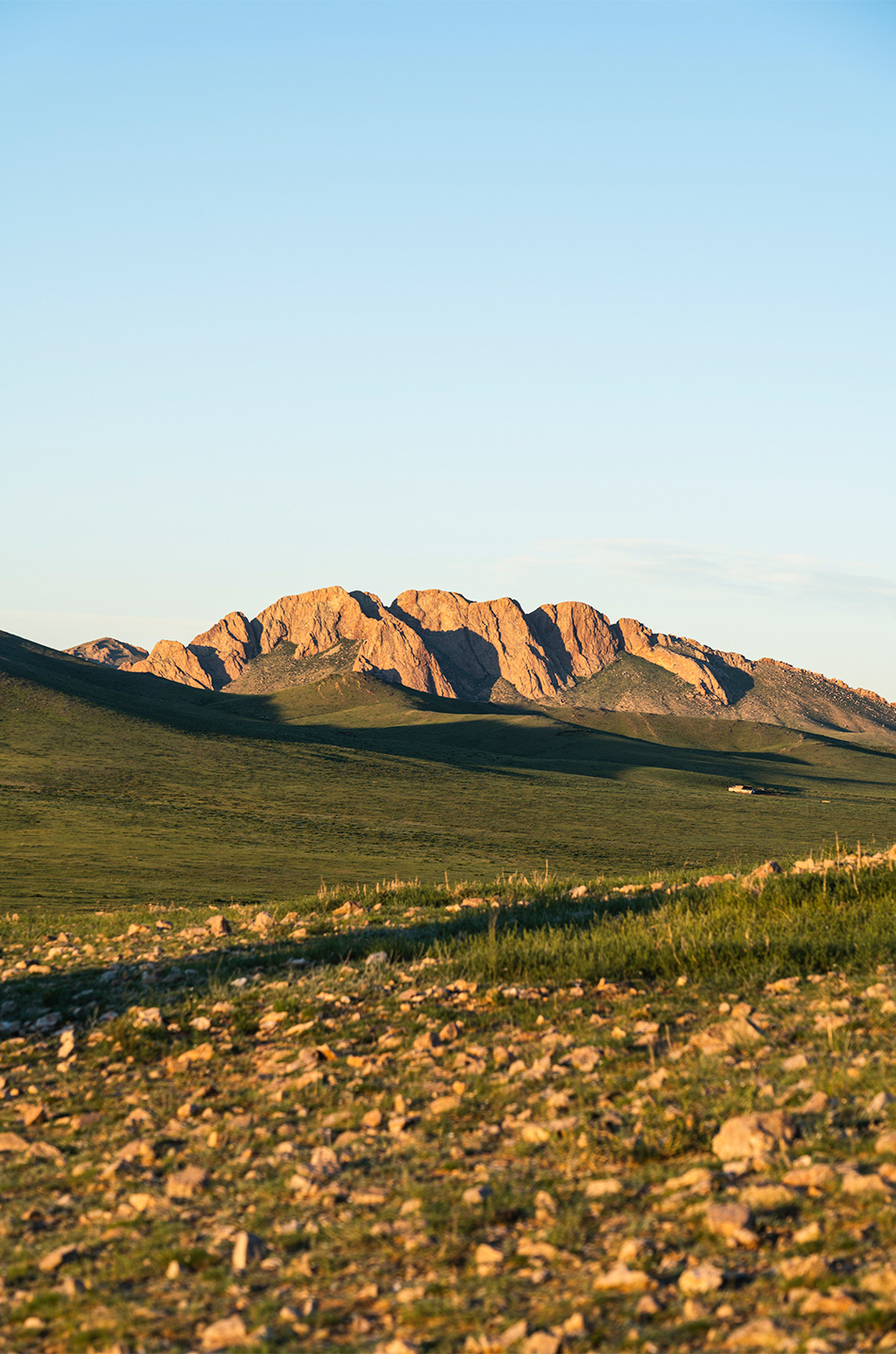
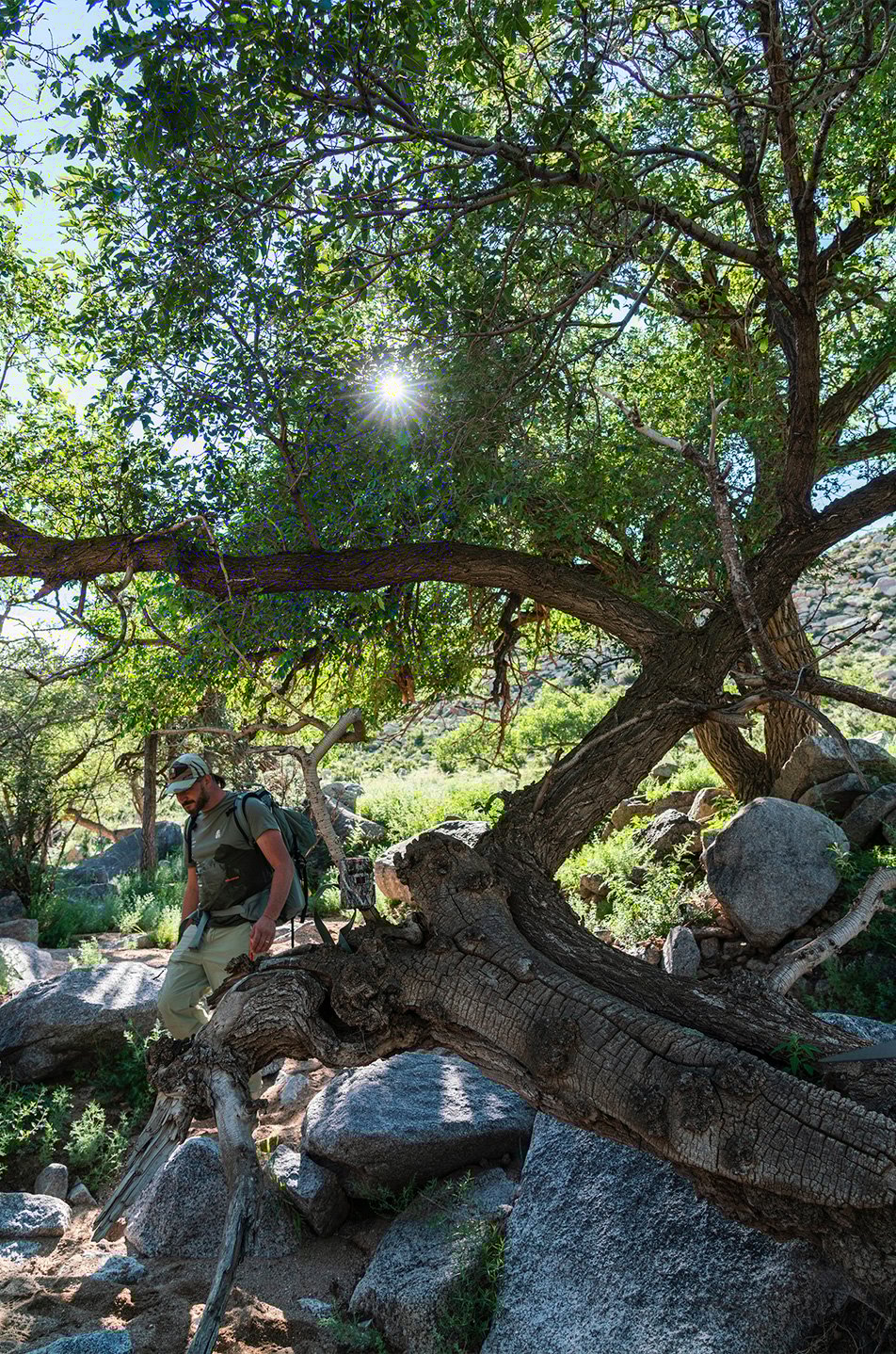
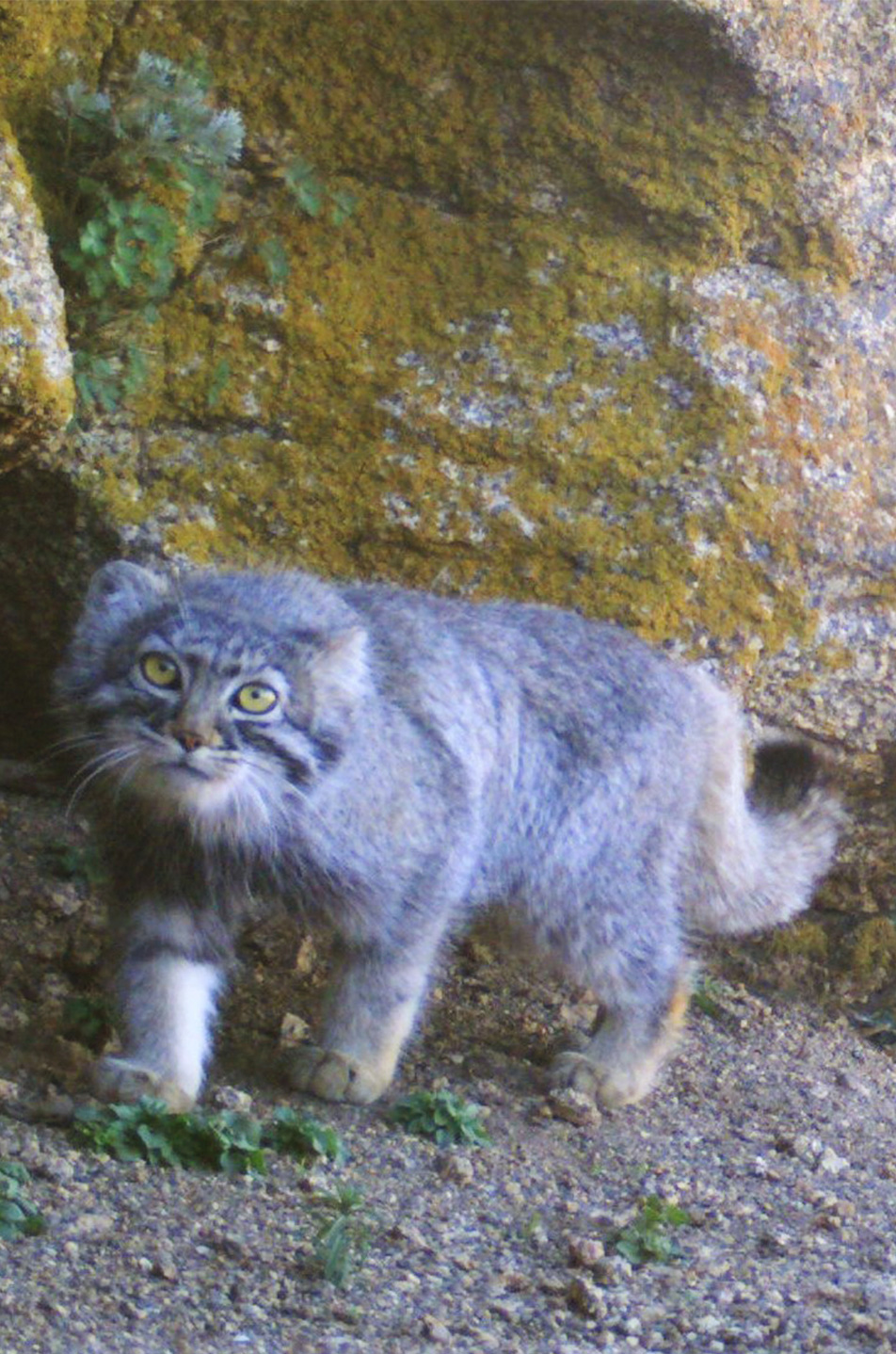
Against a backdrop of awe-inspiring mountains, their harsh beauty silhouetted by the vivid blues and pinks of a summer sunset, a person is carefully setting up an intricate web of motion-detection cameras. The unforgiving terrain and changeable climate of the Central Mongolian steppe landscape often make this work difficult, but its purpose is crucial: to capture sightings of the elusive Pallas’ cat.
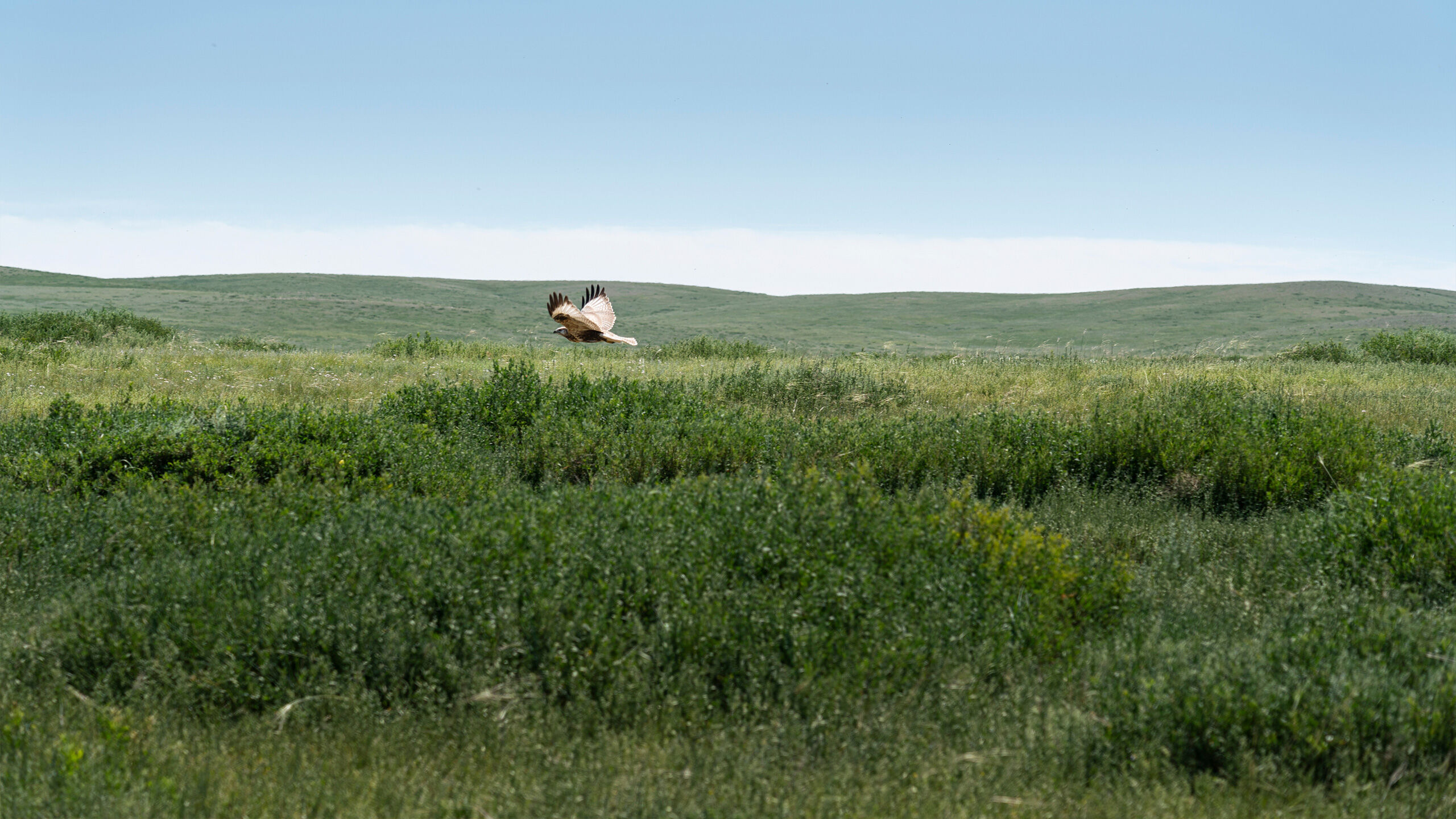
With its dense grey fur, compact body and piercing eyes, the feline is perfectly suited to its habitat in the rocky landscape of the Bayan-Unjuul district – and equally good at staying hidden. It’s this propensity for camouflage that makes the Pallas’ cat one of the most elusive species known to man. In fact, almost nothing is known about its habits in the wild.
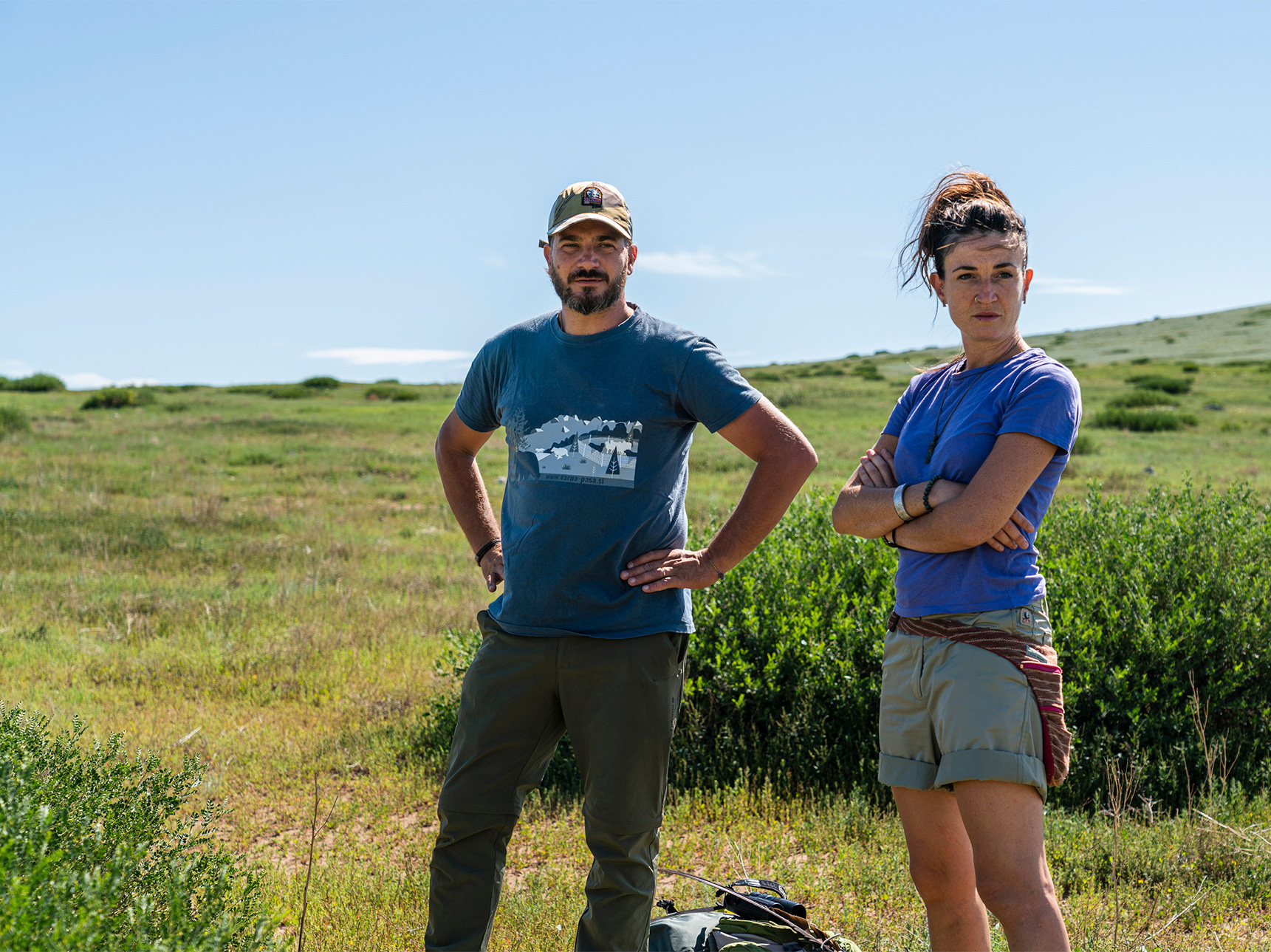
That’s why Parajumpers has teamed up with Wildlife Initiative, a non-profit organization dedicated to the conservation of animals under threat. Through this project, we’re trying to find out the number of cats in their natural habitat, as well as how they’re affected by threats such as predators, disease and the impact of climate change.
From Wildlife Initiative’s establishment in 2020, the NPO has been integral in efforts to conserve mammals across the globe, from lions to snow leopards. But no matter where Wildlife Initiative’s work takes them, there’s one constant: a belief in the power of community. For them, this involves collaborating with local people to gain irreplaceable insight, accessing knowledge known only to those who have a deep connection to the land.
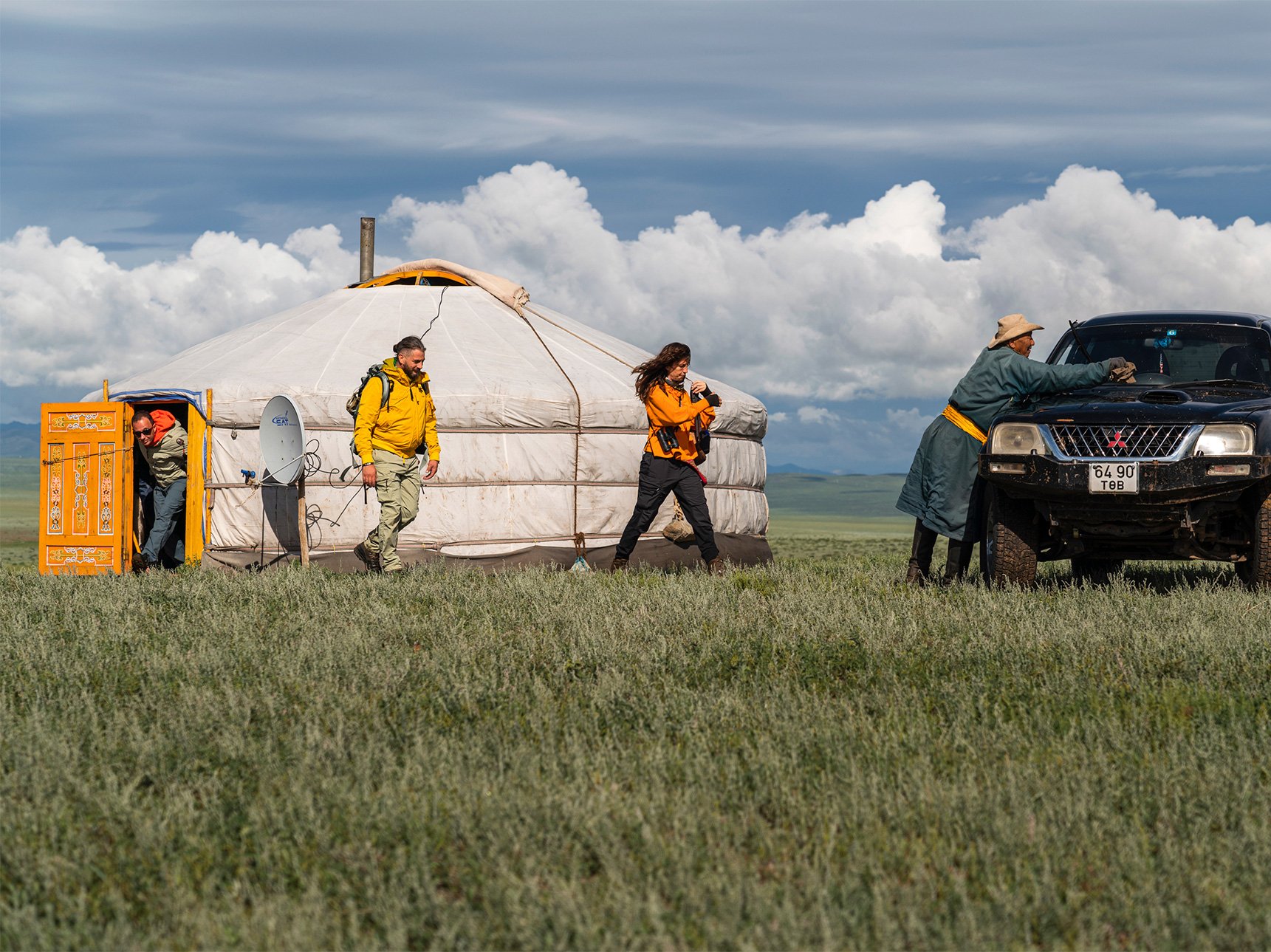
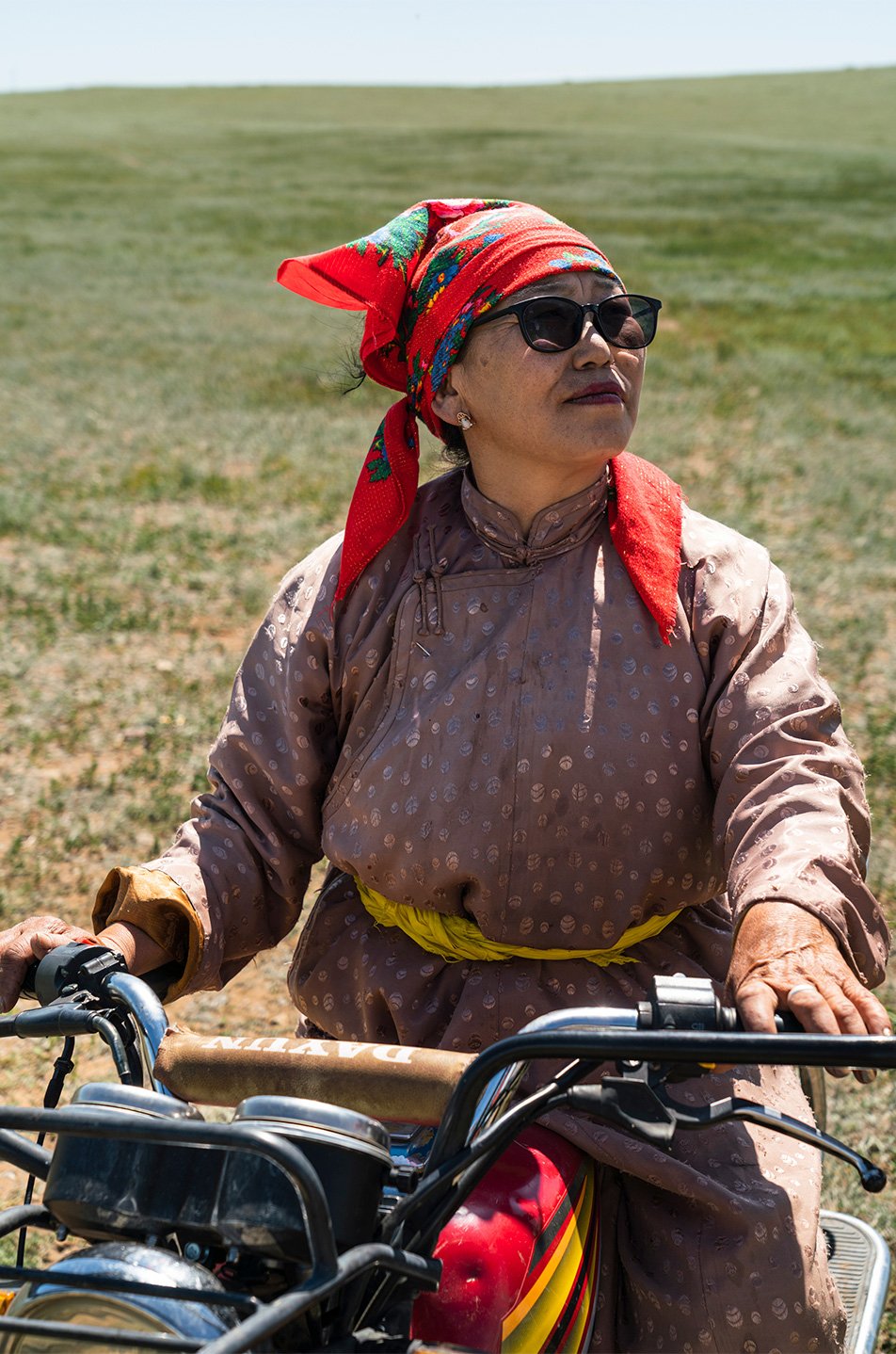
For the Pallas’ cat initiative, this means relying on local team members like Otgombiembe. Like many generations of her ancestors before her, she’s a nomadic herder who lives and works on the steppe. It’s a symbiotic relationship between humans and the natural world – and one that’s kept alive by Otgombiembe’s instinctual respect, knowledge and understanding of the landscape and the animals that live there.
This invaluable expertise is combined with cutting-edge technological innovation. For this project, forty cameras were used across a 45-square-kilometre location. Gathering data in this terrain is hard work – and practical yet comfortable performance wear is a necessity.
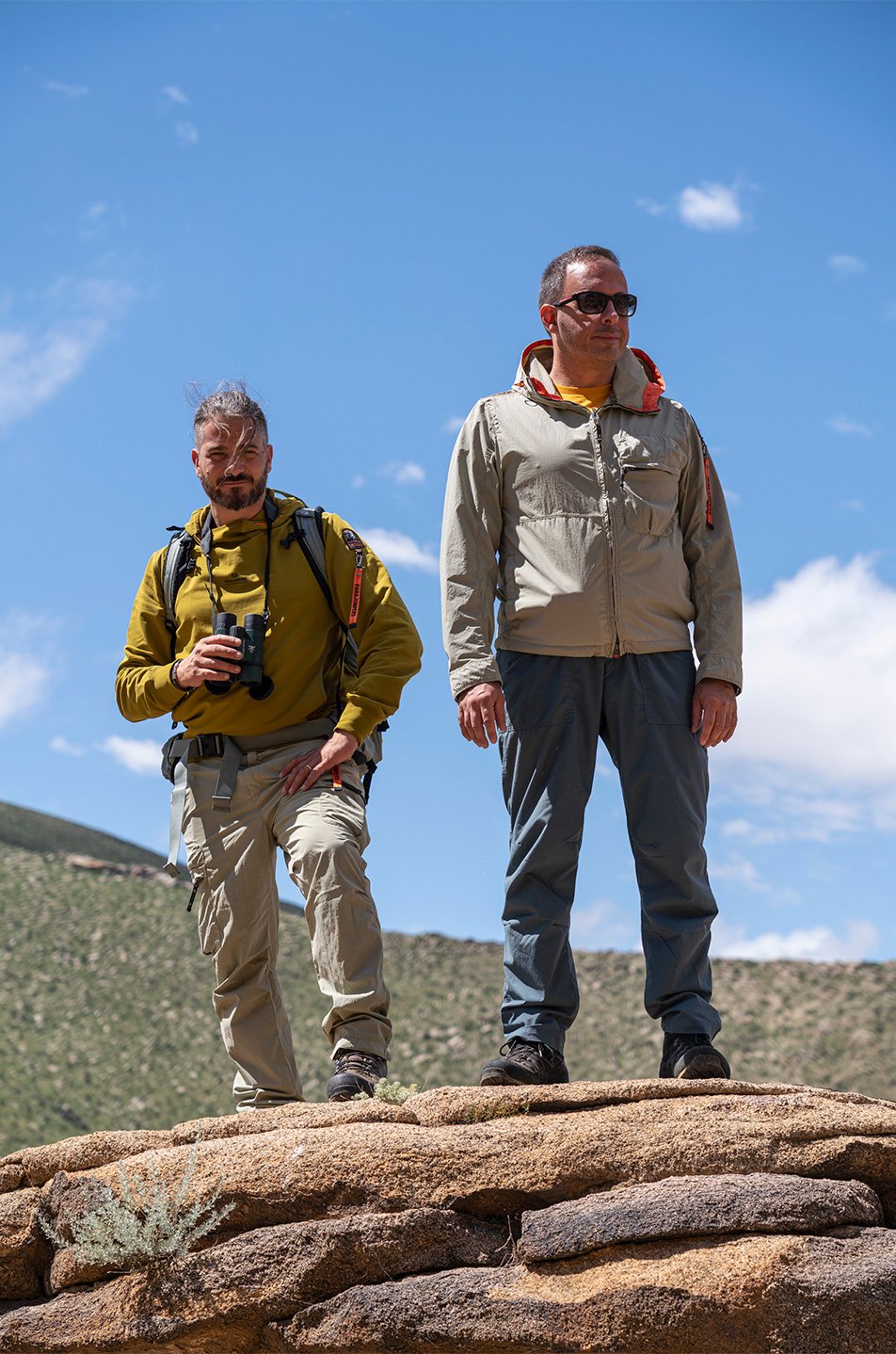
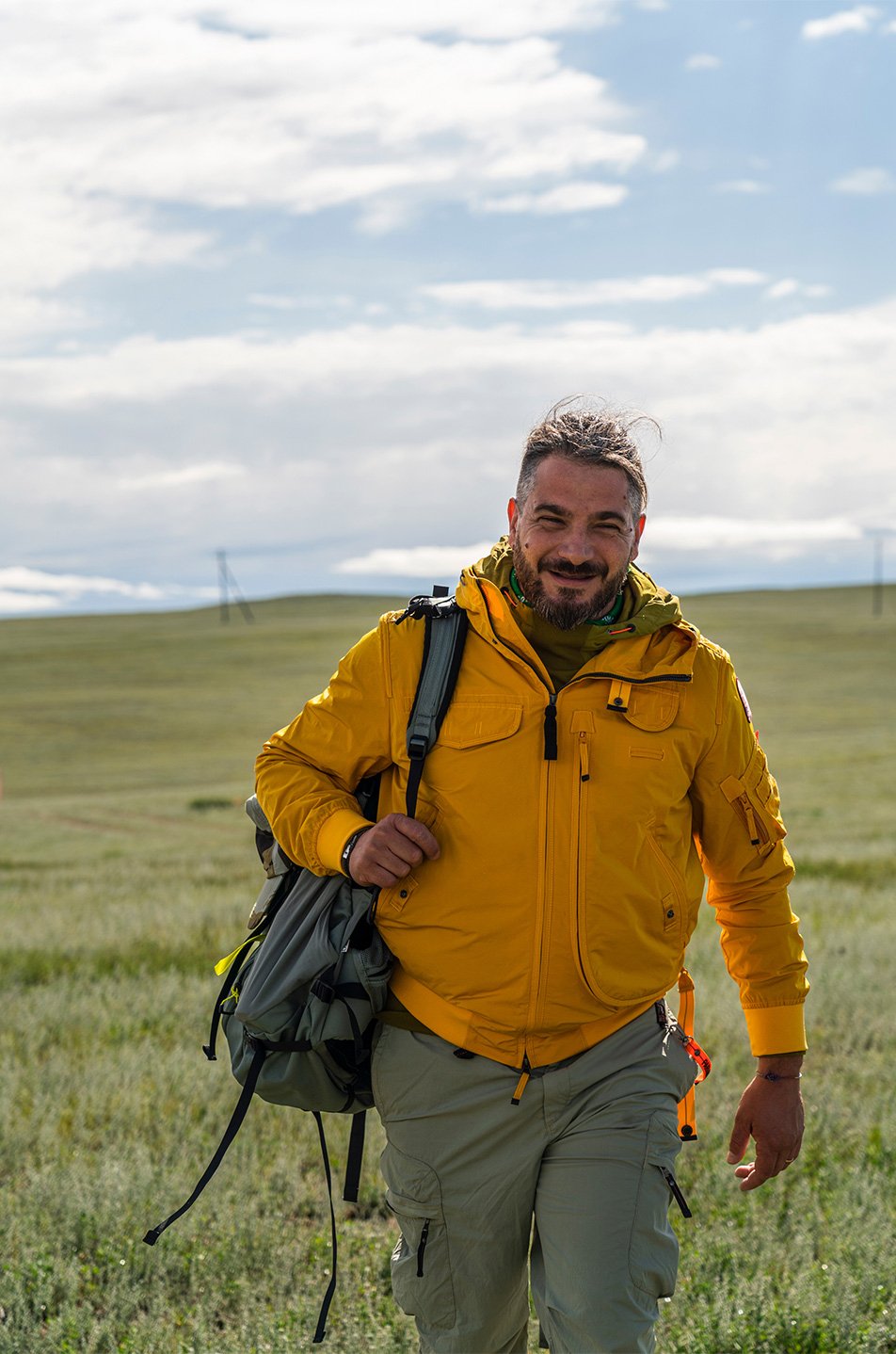
For protection against the harsh winds and ever-fluctuating temperatures of the Mongolian steppe, the Wildlife Initiative team wore Parajumpers’ classic Gobi Spring jacket, its yellow Solotex poplin vibrant against the neutral tones of the rocky landscape. This was layered over a light T-shirt, and paired with our Rescue Uniform pants, made from hard-wearing stretch ripstop.
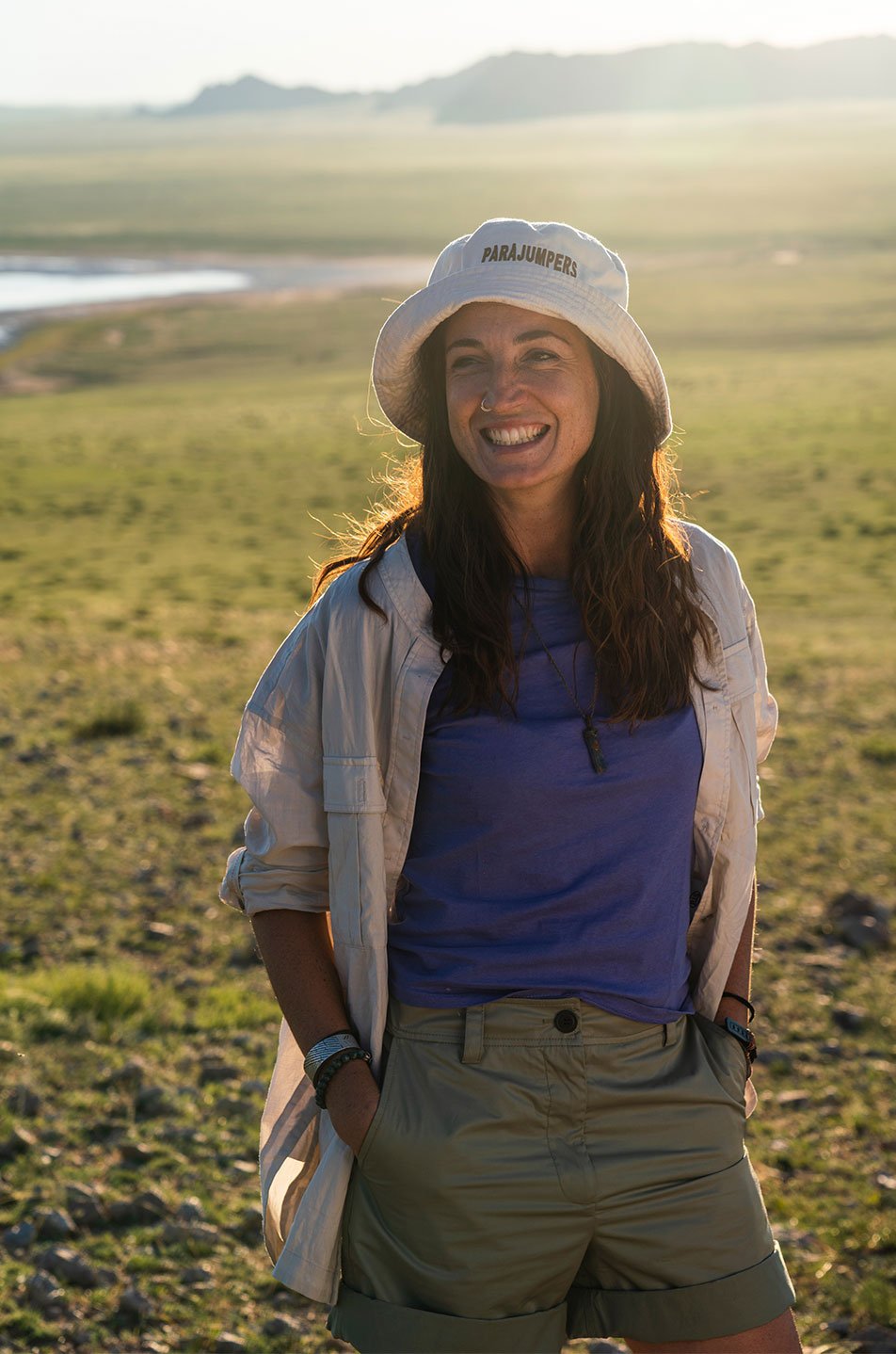
And for the blazing sunshine that illuminates the vast horizon, Wildlife Initiative chose canvas hats, light muslin shirts and easy-to-wear shorts from our Safariana series.
The hard work of the team pays off: the team records around 23 Pallas’ cats making hundreds of journeys. Analysing this data involves identifying individual cats in order to estimate population density, as well as gathering information to verify what experts believed was Pallas’ cat’s main food source: the pica and the Mongolian silver vole. But it’s through this intense data capture and interpretation – the result of many hours of painstaking hard work - that we’ve been able, for the first time, to truly begin to understand the Pallas’ cat.
It’s this dedication – the commitment to hard work, adventure, and sheer determination, no matter the circumstances – that inspires and motivates Parajumpers’ efforts to support organizations like the Wildlife Initiative.
DÉCOUVREZ LES AUTRES PROJETS SPÉCIAUX
VOICES FROM AN ICY COAST
Les Histoires de Parajumpers parlent de vies extraordinaires, vécues dans les lieux les plus éloignés de la terre où les forces puissantes de la nature font de la survie quotidienne un défi extrême.
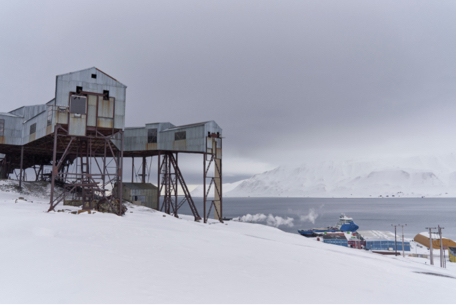
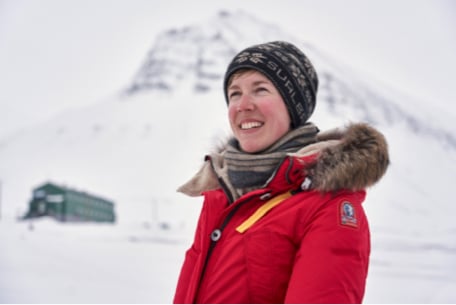
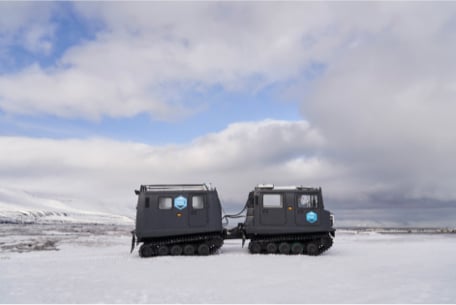
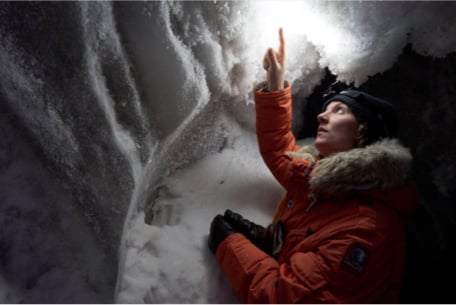
Svalbard en norvégien veut dire "Côte glacée" ; cependant, Heidi Sevestre, un "médecin des glaciers" a vu au cours des dernières décennies des signaux inquiétants de changement de ce paysage.
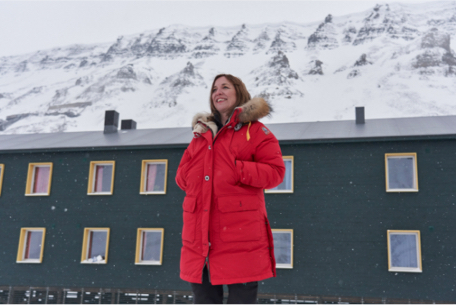
La beauté dure du Svalbard fait qu’il est difficile de l’abandonner. Il suffit de demander à Jason Roberts, originaire d'Australie et l'un des plus anciens résidents de l'archipel norvégien.
Emmener les gens dans des excursions dans les terres sauvages du Svalbard est "le meilleur travail que vous puissiez souhaiter", déclare Kristin Eriksson. À tout juste 23 ans, Kristin est déjà un guide naturaliste sur 3 continents.
Au cours des dix dernières années, l’archipel du Svalbard est devenu une destination de plus en plus populaire pour les touristes, poussés par le désir d'explorer la beauté de ces lieux et de comprendre ce que signifie survivre dans une communauté et comme individus