In a remote Bolivian mountain range, Parajumpers supports the efforts of adventurer Klaus Thymann and Project Pressure to understand the secrets of the region’s glaciers
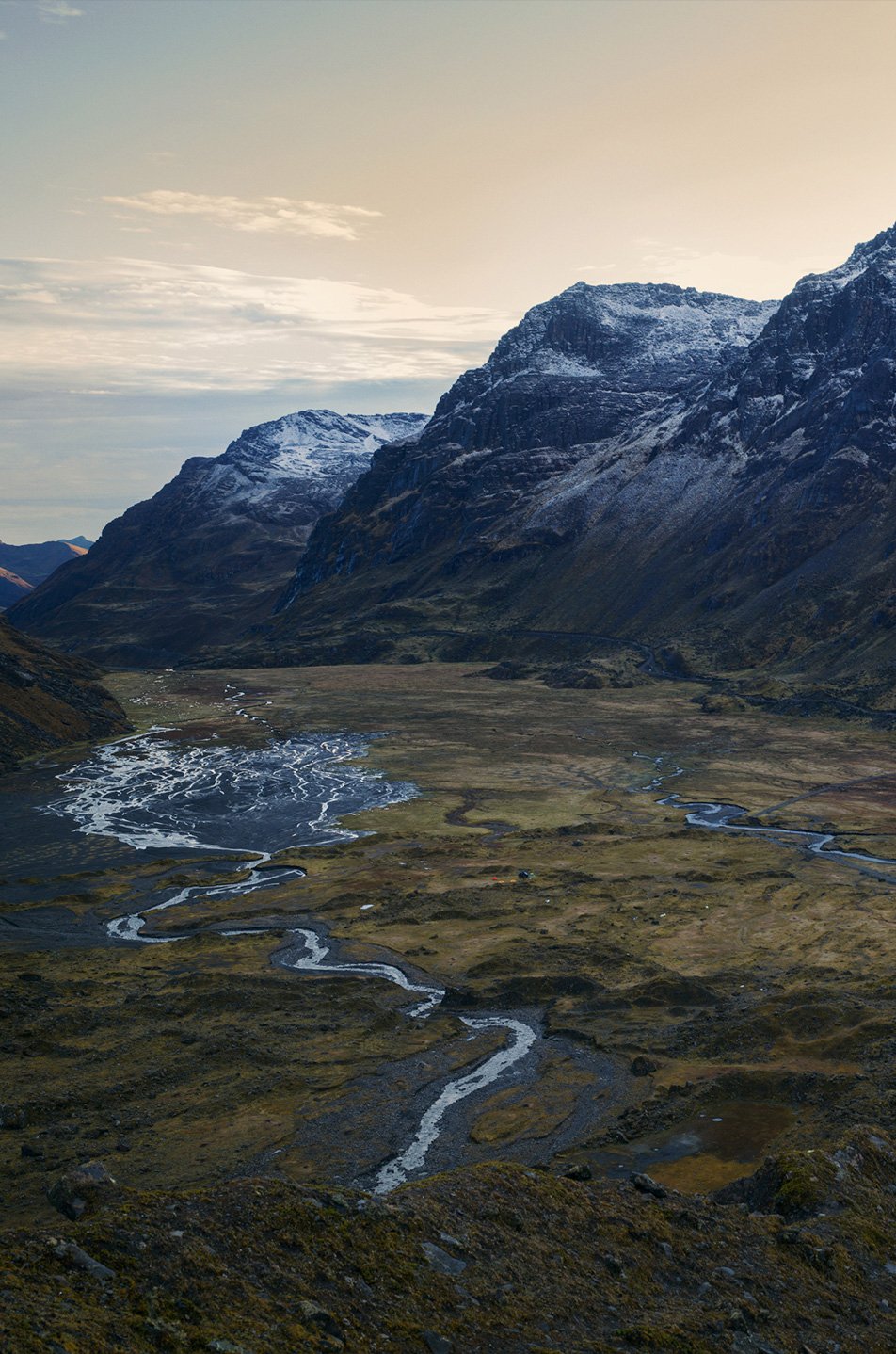
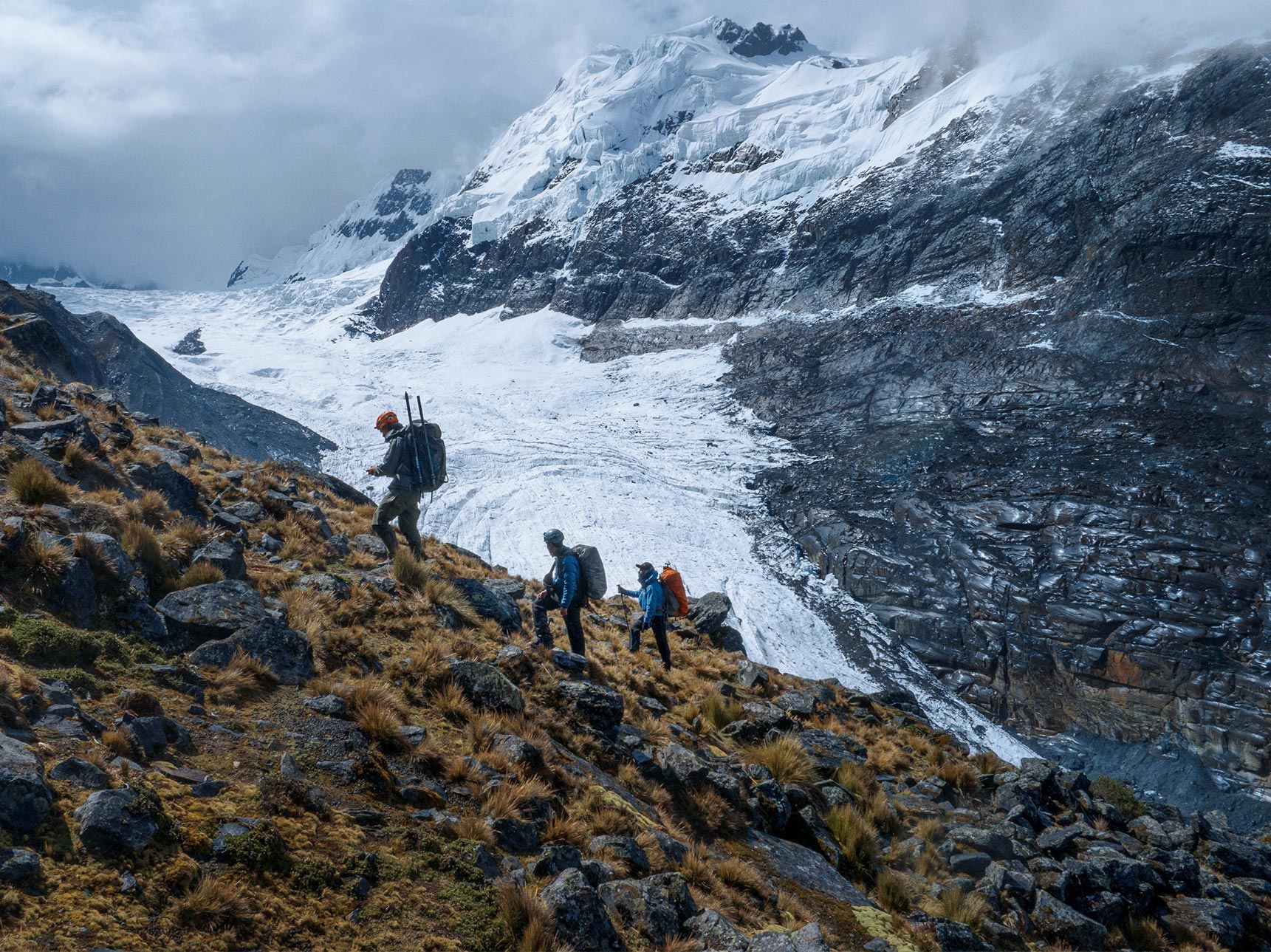
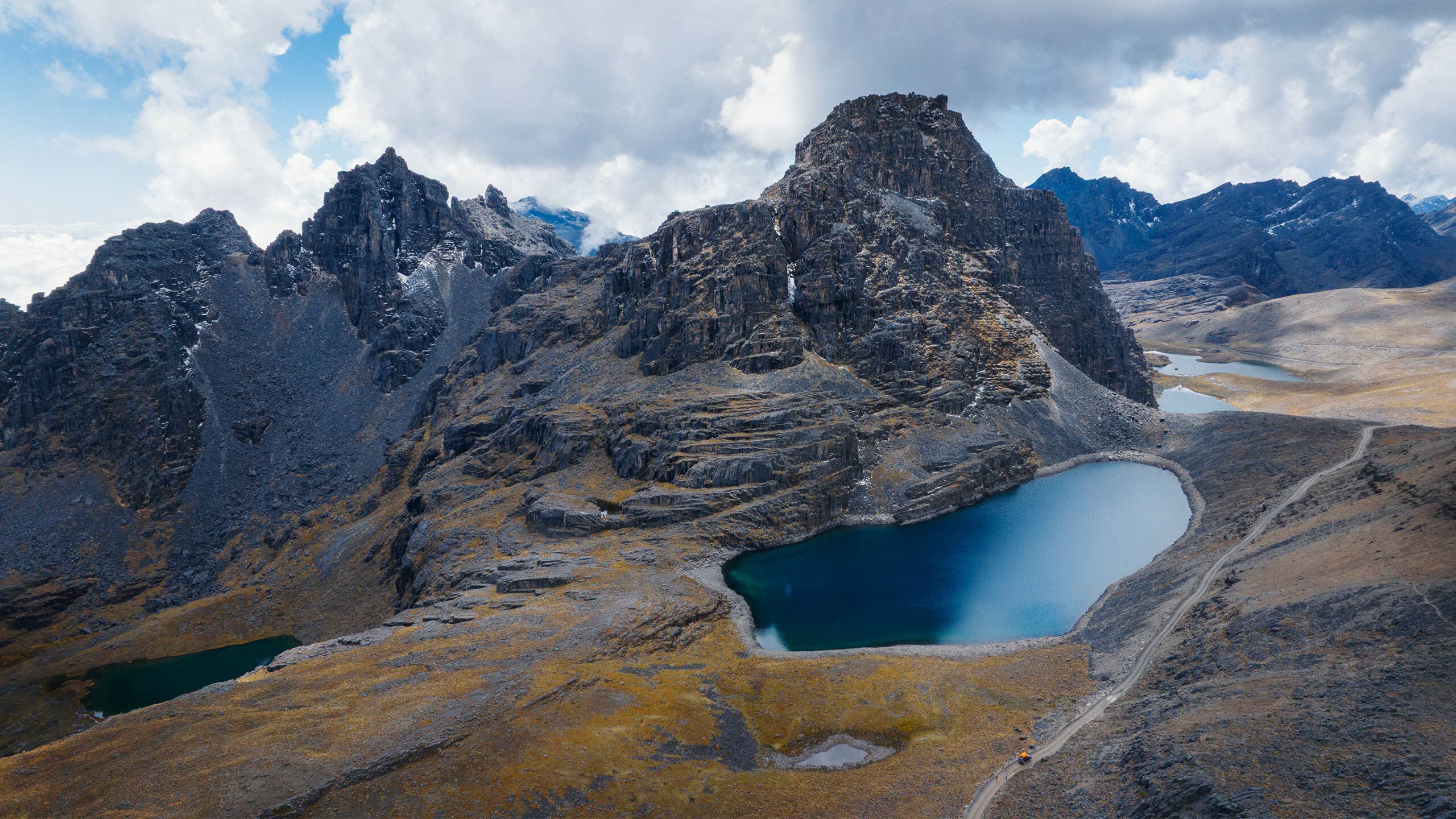
Enshrouded by clouds, the peaks of the Apolobamba mountains are barely visible. But scale them, and you’ll find landscapes of awe-inspiring natural beauty: icy glaciers, cloud forests and tropical vegetation. Towering above the others is Chaupi Orco, a remote, beautiful and imposing glacier about which scientists know almost nothing. But with tropical Andes glaciers having lost an estimated 30–50% of their volume in the last 40 years, it’s imperative that scientists and policy makers are able to understand the scale of the challenge facing Chaupi Orco.
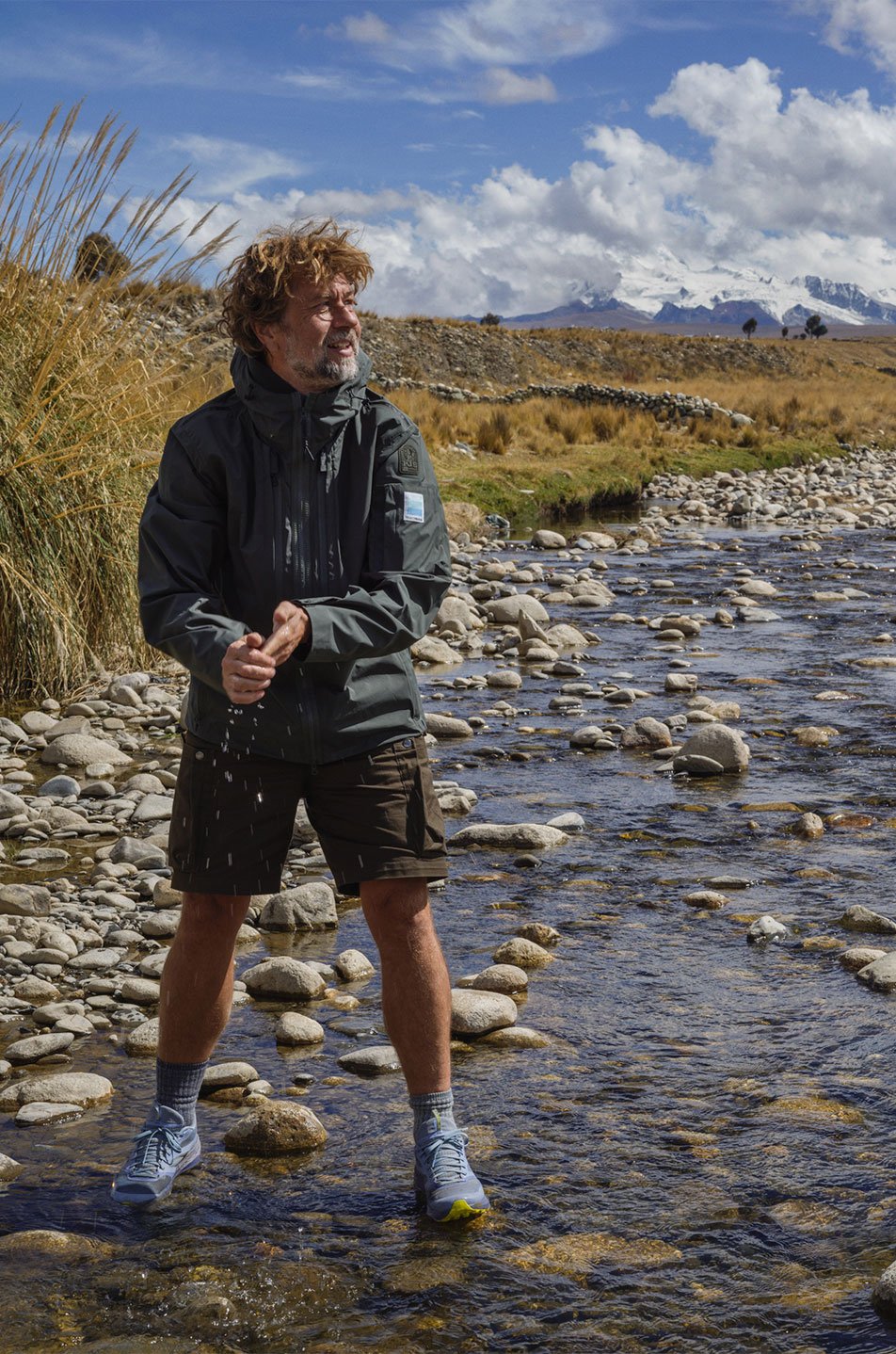
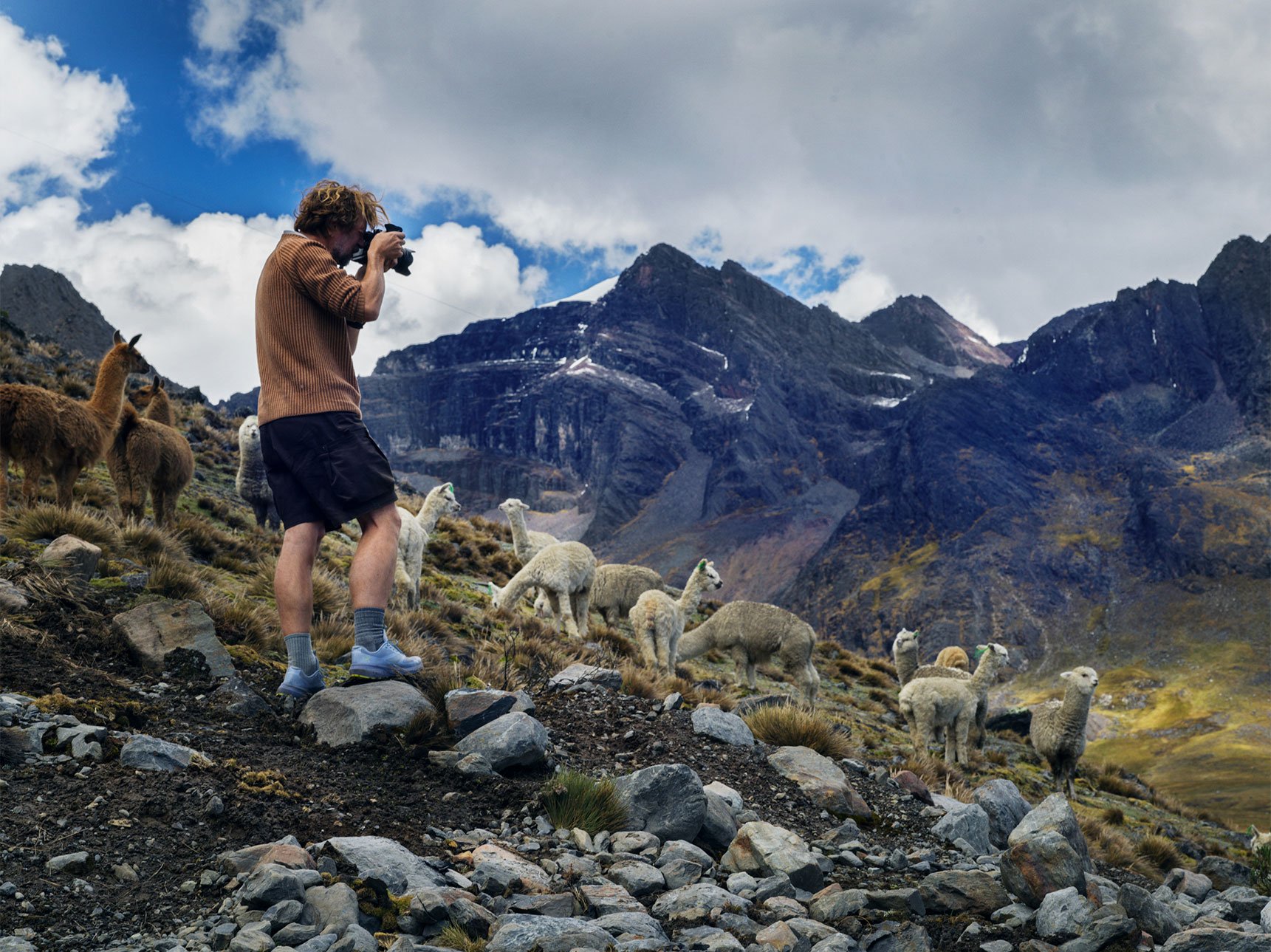
Supported by Parajumpers, the environmental scientist Klaus Thymann has embarked on a mission to deepen our understanding of the mountain, and so provide crucial information to conservators and local indigenous communities.
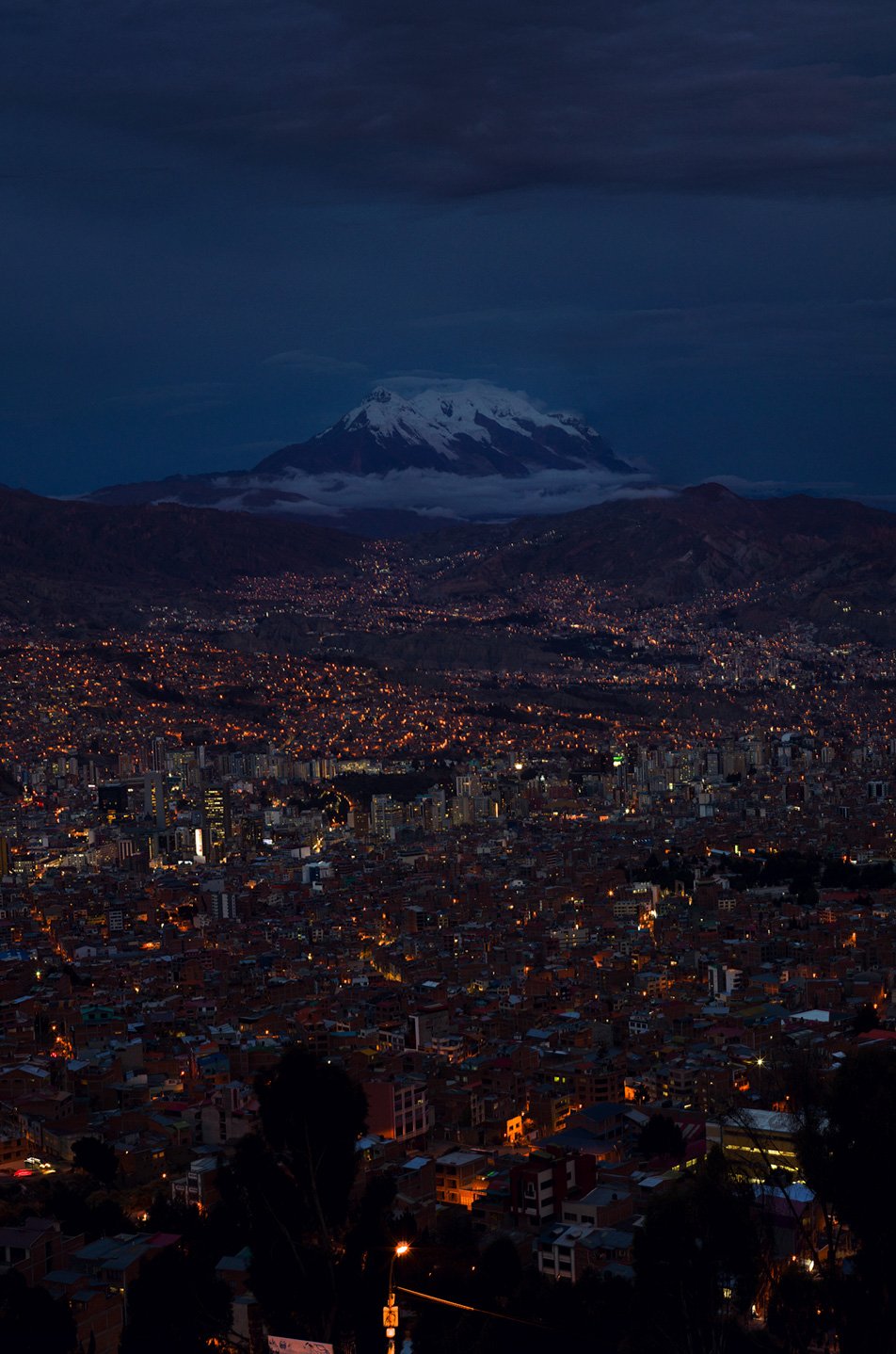
Glaciers like Chaupi Orco don’t exist in isolation – they’re intimately bound up in the lives of people hundreds of miles away. The meltwater from Apolobamba glaciers rushes through streams, rivers and lagoons, sparkling in the mountain sunlight, before it flows towards La Paz, delivering roughly 15% of the city's water for the year and nourishing its two million inhabitants.
That’s why Klaus and his team have embarked on their mission to make the first ever high-resolution, geo-referenced 3D model of Chaupi Orco, which they hope can create an ice legacy – a baseline against which future generations can track changes.
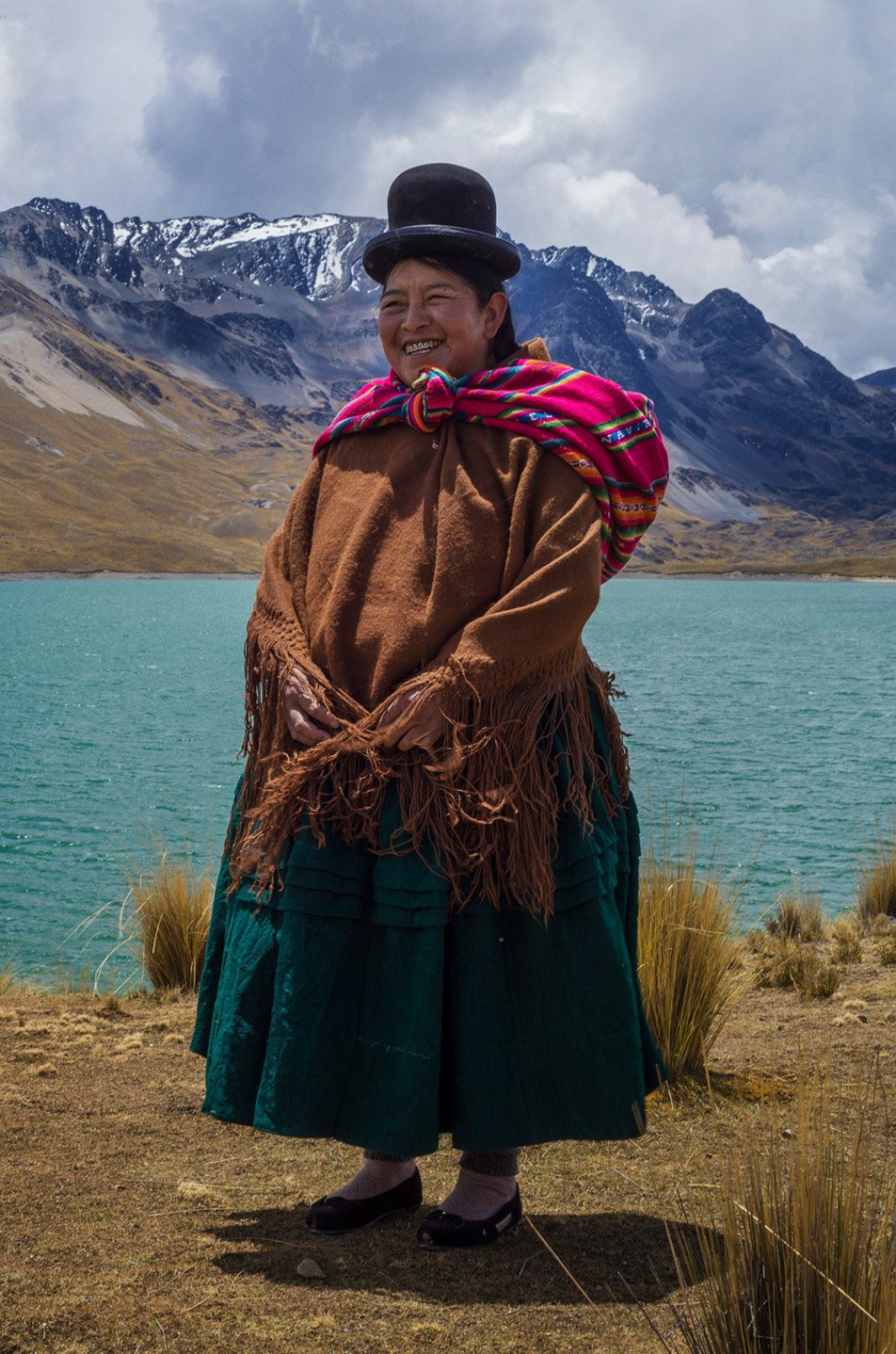
Klaus’ work also involves close communication and knowledge exchange with those living near the mountain, including the Aymara and Pukina indigenous communities, who interact with it on a daily basis.
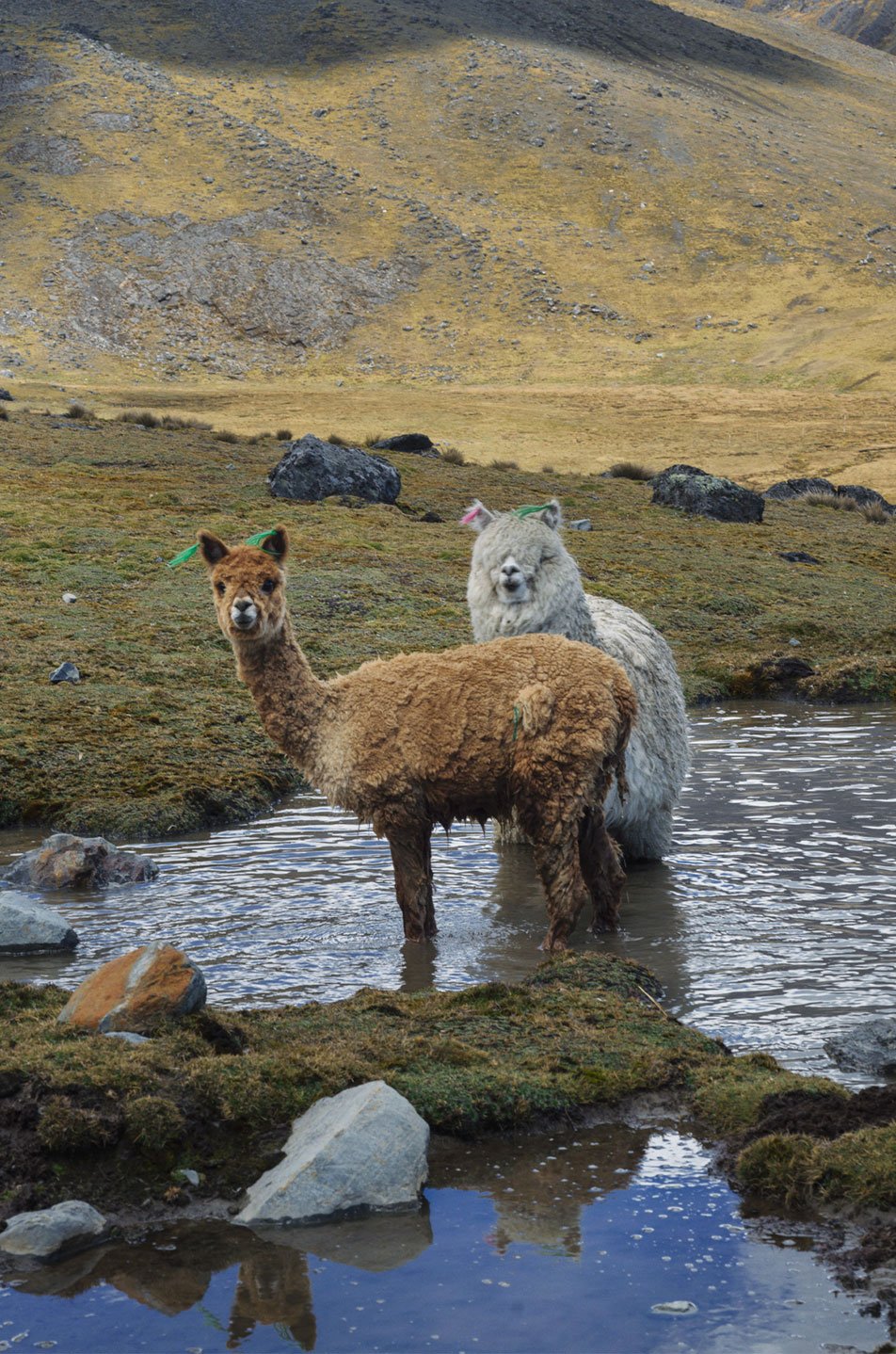
Along the way, llamas — a familiar presence in the Apolobamba Mountains — were quiet, constant companions: silent observers of the team’s work in a demanding, high-altitude landscape. Domesticated from wild guanacos around 4,000 to 5,000 years ago, they're perfectly adapted for the rugged environment.
Their significance was encapsulated by Klaus, who spoke about how glad he was to have them around: “They remind me that we’re in their world now. It feels like, for once, nature gets to decide.”
{{standardPrice}}
{{salesPrice}}
({{discountPercent}}%
)
Do you really want to unsubscribe from our newsletter and not receive Parajumpers updates in the future?